
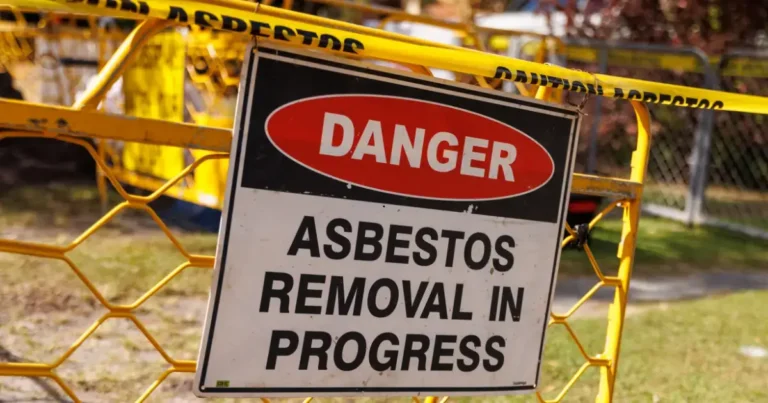
That character villa you’ve fallen in love with could be hiding a deadly secret. Asbestos—a naturally occurring mineral once prized for its heat resistance and durability—was used extensively in New Zealand construction from the 1940s through to the late 1990s. Today, it remains the country’s number one workplace killer, claiming approximately 170 lives each year from preventable diseases.
If you’re purchasing an older property or planning renovations, understanding asbestos testing in New Zealand isn’t just sensible—it’s potentially life-saving. This guide covers everything you need to know about identifying, testing, and managing asbestos before you pick up that sledgehammer.
New Zealand imported an astonishing 5,000 tonnes of asbestos annually during the 1960s and 1970s, reaching a peak of 8,500 tonnes in 1975. This material found its way into an estimated 3,000 different building products. Blue and brown asbestos were banned in 1984, while white asbestos (chrysotile) wasn’t prohibited until 1999. Asbestos-containing products could still be legally imported until October 2016.
The practical upshot? Any building constructed or renovated before 2000 may contain asbestos-containing materials (ACMs). Properties built before the mid-1980s carry a particularly high risk, and many of these homes still stand throughout New Zealand’s suburbs and rural areas.
The health consequences of asbestos exposure are severe. When asbestos fibres become airborne—through cutting, drilling, sanding, or deterioration—they can be inhaled and lodge permanently in lung tissue. Diseases, including mesothelioma (a deadly cancer almost exclusively caused by asbestos), lung cancer, and asbestosis, can take 20 to 55 years to develop after initial exposure. By the time symptoms appear, treatment options are limited.
Building inspectors frequently encounter asbestos in predictable locations. The most common form found in New Zealand homes is asbestos cement, which was used in numerous applications throughout residential construction.
Super Six and Super Eight corrugated cement roofing sheets were extremely popular and commonly contained asbestos. Decramastic tiles installed before 1985 also typically contain the material. You’ll find asbestos in guttering, downpipes, exterior cladding (including Duroc, Polite, and various James Hardie products), soffit linings, and fence panels. If a property has been re-roofed at some stage, the ceiling cavity may be contaminated with asbestos debris from the original roof.
Textured ceilings—often called “popcorn” or “stipple” ceilings and marketed under trade names such as Glamatex and Whisper—represent the most common samples sent for laboratory analysis. These textured coatings, applied before the mid-1980s, may contain chrysotile asbestos as a binding agent, typically between 1-5% of the material’s composition.
Wall linings and compressed sheets throughout the home may contain asbestos, particularly around wet areas such as bathrooms and laundries. Hot water cupboard linings were frequently made from asbestos-cement sheets, and insulation around older hot water cylinders and pipes often contains asbestos.
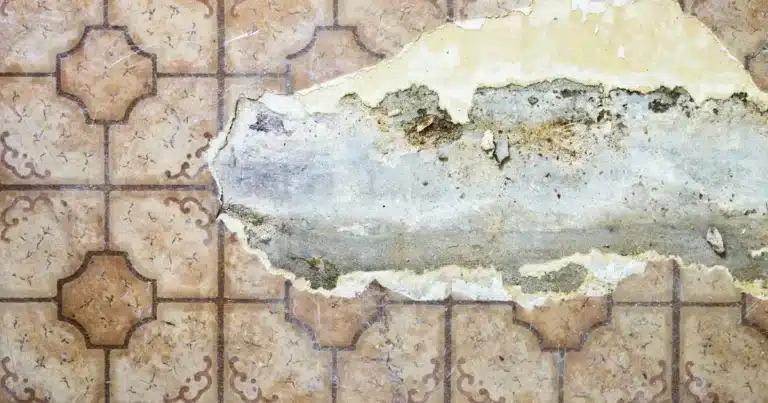
Vinyl floor tiles (particularly those with a yellow or black backing) and sheet vinyl flooring often contained asbestos in both the tile material and the adhesive. The black bitumen glue used to secure these tiles is frequently asbestos-containing, even when the tiles themselves test negative.
Asbestos can lurk in unexpected places, including electrical meter boards, fuse boxes, fireplace surrounds, pipe lagging, and even the paper backing beneath linoleum. Some older blown-in ceiling insulation, including vermiculite products, has tested positive for asbestos fibres.
The Health and Safety at Work (Asbestos) Regulations 2016 establish clear requirements for identifying and managing asbestos. Property owners and anyone conducting building work are subject to these regulations.
Before undertaking any renovation, demolition, or maintenance work on buildings constructed before 2000, suspected materials should be tested. If you’re uncertain whether a material contains asbestos, the regulations require you to assume it does until testing proves otherwise—or have it tested by an accredited laboratory.
WorkSafe New Zealand’s Approved Code of Practice sets out expectations for managing asbestos safely. This includes identifying all ACMs, maintaining an asbestos register, developing management plans where required, and ensuring any removal work is conducted safely and by appropriately licensed contractors.
Professional asbestos testing follows a straightforward process. A qualified assessor visits the property to collect samples from suspected materials. These samples are then sent to an IANZ-accredited laboratory for analysis using microscopy techniques that can detect asbestos fibres invisible to the naked eye.
Testing typically costs between $100-$300 for an initial sample, with additional samples costing $50-$75 each. Many providers offer DIY sampling kits for around $115 that include laboratory analysis, though this approach is only recommended for low-risk, non-friable materials like cement sheeting. Textured ceilings, vinyl flooring, and insulation should always be sampled by trained professionals due to the higher risk of fibre release.
Laboratory results are usually available within 3-5 business days, with urgent turnaround (24-48 hours) available at additional cost. Results will confirm whether asbestos is present, identify the type of asbestos detected, and typically include recommendations based on the material’s condition.
For property purchases, a Management Survey identifies the presence and location of ACMs and assesses their condition. This non-destructive survey forms the basis for an Asbestos Management Plan.
If you’re planning significant renovations or demolition work, a Refurbishment and Demolition Survey is more appropriate. This intrusive assessment locates all asbestos that might be disturbed by the proposed works, including materials hidden behind walls, above ceilings, and under floors.
Discovering asbestos in your property doesn’t necessarily mean expensive removal. Asbestos materials in good condition that won’t be disturbed pose minimal risk. The key factors in deciding next steps include the material’s condition (intact or deteriorating), whether it will be disturbed by planned work, and the type of asbestos present.
Many ACMs can be safely left in place with appropriate management. This might include encapsulation (painting or sealing the surface), labelling locations for future reference, and including the information in your property’s asbestos register. Regular inspections ensure the material remains in good condition.
Removal becomes necessary when materials are deteriorating, when renovation work will disturb them, or when they pose an ongoing risk. WorkSafe introduced an official licensing system for asbestos removal in 2018, with two classes of licence:
Class A licences permit the removal of all asbestos types, including friable (crumbly) asbestos, which poses the highest risk. Class B licences cover only non-friable asbestos removal, such as intact cement sheets and floor tiles.
Removal costs typically range from $30 to $120 per square metre, depending on the material type, location, accessibility, and complexity. Class A friable asbestos removal runs approximately $150 per square metre, while Class B non-friable removal averages around $65 per square metre. A full property remediation can cost several thousand dollars, but smaller jobs may be surprisingly affordable.
Homeowners can legally remove up to 10 square metres of non-friable ACM themselves if they follow strict safety guidelines, though this is generally not recommended unless you have appropriate training, equipment, and understand the risks involved.
A standard pre-purchase building inspection will note suspected asbestos-containing materials based on the building’s age and visible characteristics of materials present. Inspectors can identify likely ACMs through experience and visual assessment, though laboratory testing is the only way to confirm asbestos content.
When purchasing an older property, it’s worth discussing asbestos concerns with your building inspector. They can advise which materials warrant testing and help you understand the potential scope of any asbestos issues. This information proves invaluable for negotiating purchase price and budgeting for future work.
Properties with confirmed asbestos aren’t necessarily bad purchases—most older New Zealand homes contain some ACMs. What matters is understanding what’s present, its condition, and the cost implications for any planned renovations or maintenance.
New Zealanders love their DIY projects, but disturbing unknown materials in older homes carries real danger. Before drilling, cutting, sanding, or removing any building materials in a pre-2000 property, stop and consider whether asbestos might be present.
Never attempt to sand, scrape, or power-tool suspected asbestos materials. Don’t use a regular household vacuum cleaner on asbestos dust—standard filters cannot capture the microscopic fibres, and you’ll spread contamination throughout your home. Don’t pressure-wash cement cladding or roofing that might contain asbestos.
If you accidentally disturb suspected ACMs, stop work immediately, wet down the area to prevent fibre spread, ventilate the space, and seek professional advice. Asbestos in New Zealand Homes is dangerous. Clothing worn during the exposure should be carefully removed and bagged—washing asbestos-contaminated clothing in a standard machine can contaminate the drum and subsequent loads.
Asbestos waste cannot be disposed of through normal rubbish collection or taken to standard landfills. All asbestos waste must go to authorised disposal facilities that accept hazardous materials. Your local council can advise on approved disposal sites in your area.
ACMs must be transported in sealed containers or wrapped in heavy-duty plastic and clearly labelled as asbestos. Professional removal companies typically include disposal in their service, with costs varying depending on the volume of waste and transport distance.
Undisclosed asbestos can affect property transactions in several ways. Mortgage lenders may require confirmation that asbestos has been identified and is being appropriately managed. Insurance policies may include exclusions or conditions regarding asbestos. Buyers increasingly request asbestos surveys as part of their due diligence.
Interestingly, professionally removed and certified asbestos-free properties can command buyer confidence and potentially higher prices than homes with untested materials. Proactive management demonstrates responsible ownership and removes uncertainty for prospective purchasers.
Asbestos remains a hidden hazard in hundreds of thousands of New Zealand properties. Understanding where it’s commonly found, how to test for it, and your legal obligations helps protect both your health and your investment.
For any property built before 2000, particularly those constructed before the mid-1980s, professional asbestos assessment before purchase or renovation is a sound investment. The cost of testing is minimal compared to the potential health consequences of unknowing exposure or the expense of dealing with contamination after work has begun.
If you’re purchasing an older property or planning renovations, talk to your building inspector about asbestos risks. A thorough pre-purchase inspection can identify suspected materials and help you make informed decisions about testing and management strategies.
Planning to purchase or renovate an older New Zealand property? Alert Building Inspections provides thorough pre-purchase assessments that identify suspected asbestos-containing materials and other potential issues. Our experienced inspectors help you understand what you’re buying and plan confidently for future improvements.
______________________________________________________________________________________________________________
Alert Building Inspections provides professional building reports throughout New Zealand, delivered within 24-48 hours. Ready to protect your property investment? Call 0800 4 ALERT (425 378).
Book an inspection | View our services | Read more property advice
Melissa W says:
Been thinking about this since we helped clients navigate a 1970s villa reno last year. The surprise asbestos discovery completely derailed their timeline and budget, so having a clear checklist upfront like you’ve outlined would’ve saved them months of stress. The part about getting proper testing done before any work starts is absolutely crucial; it’s not something to cut corners on, even if it feels like an extra expense initially.
Natalie Cooper says:
You’re absolutely right about getting a proper inspection before diving into renovations – it’s one of those decisions that feels like it’ll cost you upfront but actually saves you from way bigger headaches (and expenses) down the track. I’d add that understanding what you’re dealing with also gives you leverage when negotiating on the property itself, since sellers need to disclose what they know about asbestos.