
Salt air and exposed conditions can be hard on coastal homes. We look for corrosion, worn exterior materials and areas requiring additional maintenance.
Weatherboard homes are common throughout Northland. We inspect accessible cladding, paintwork, flashings and junctions for deterioration and potential moisture entry.
Northland's warm, humid conditions can contribute to dampness. We check for elevated moisture, poor ventilation, condensation and visible signs of mould.
Larger sections can bring different maintenance challenges. We consider drainage, foundations and accessible additional structures when assessing lifestyle properties.
Strong sun, rain and coastal weather can affect roofing over time. We look for corrosion, damaged materials, worn flashings and maintenance concerns.
Heavy rainfall makes effective water management important. We assess visible drainage, ground levels and surface water around the building for potential problems.
+
+
24-48 Hour Report Delivery Guaranteed
Arranging a pre purchase building inspection gives you a clearer understanding of the property before you make your final commitment. Our Northland inspectors look beyond presentation to identify defects, moisture concerns and maintenance requirements that may not be obvious during a viewing.
We carry out building inspections across Whangārei and throughout Northland, covering established residential areas, newer developments, lifestyle properties and coastal homes. Each property is assessed from the accessible foundations through to the roof, with attention given to structure, cladding, moisture, drainage and overall condition.
Our experienced building inspectors understand that buyers often have limited time to complete due diligence. We can arrange inspections quickly and provide straightforward advice about what we've found.
Knowing about an issue before settlement gives you time to understand it properly, investigate further if needed and account for future repairs or maintenance before the property becomes yours.
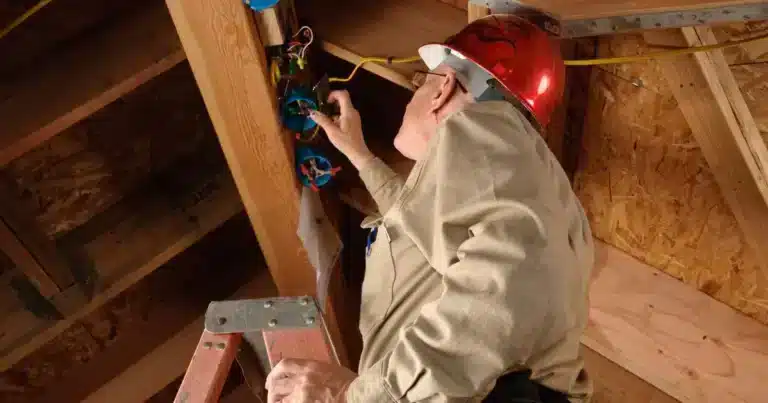

A good building report should make the condition of a property easier to understand, not leave you with more questions. Our written builders reports use clear language, photographs and practical explanations to show you exactly what our inspector found.
Your Whangarei builders report covers the main accessible parts of the property and identifies visible defects, moisture issues, maintenance concerns and areas that may require further investigation.
For properties around Whangārei and across Northland, we also consider how local conditions may be affecting the building. Coastal exposure, moisture, drainage and ongoing exterior maintenance can all be important depending on where the property is located.
Builders reports are delivered within 24-48 hours and are accepted by major banks and lending institutions. If something in your report needs further explanation, our team can talk you through the findings so you know what deserves attention before proceeding.
Professional and Reliable Inspection reports to NZS reporting Standards
Same-day onsite testing with building inspection throughout Whangarei
On site or over the phone verbal overview for time critical decisions





Purchasing a property is one of life's biggest investments – getting a professional builder's report is essential for making the right decision. Alert Building Inspections is New Zealand's trusted building inspection network, with decades of experience in pre-purchase inspections.

Our trade-qualified building inspectors conduct thorough inspections covering structural integrity, weathertightness, and potential maintenance issues. We deliver reports within 24-48 hours, including photographs, detailed findings, and specific recommendations.

When investing in real estate, likely your biggest ever commitment, a house inspection is essential. We deliver comprehensive reports from inspectors with extensive local knowledge throughout New Zealand. Select your location to get started!

Need a Building Inspector? Our trade-qualified team delivers comprehensive reports within 24-48 hours. We specialise in rapid building inspections without compromising quality across all our New Zealand locations.
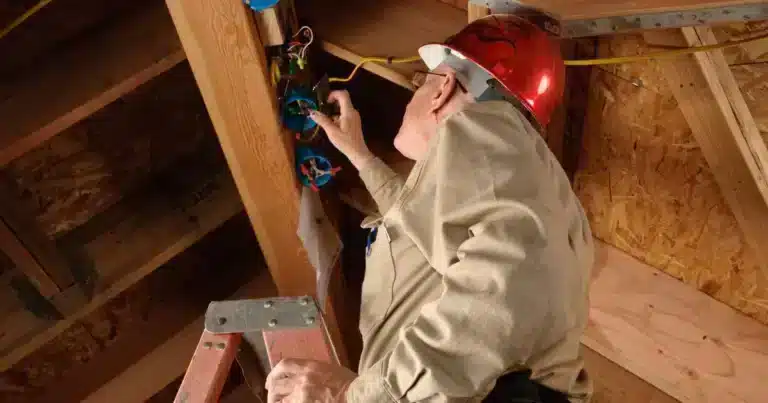
A verbal building inspection starts at $299 plus GST, and a full written pre-purchase inspection and report starts at $499 plus GST. You will know the price before you commit, because it is set from the address. For more detail on what drives it, see building inspection costs explained.
Northland has a few cost drivers of its own. Travel is one, because a lifestyle block out past Kamo or Maungaturoto takes longer to reach than a Whangārei suburb. Site size is another: several outbuildings, a barn, a large shed or a long driveway all add time. So does difficult subfloor access, which is common on older homes built close to the ground.
Ring us with the address, and we will give you a firm price for that property rather than a range.
Our inspector carries out a complete building inspection in accordance with NZS 4306:2005, the New Zealand Standard for residential property inspections. It looks at:
We test for moisture throughout, and in Northland that is where much of the value sits. High humidity and a long wet season mean the subfloor and roof space are often where the real story is, particularly on a home that hasn't had its underfloor ventilation checked in years.
You get a written building report in plain English within 24 to 48 hours, with photographs of anything we found, findings grouped by severity, practical advice on repairs and maintenance, and a verbal summary if you want one. If any of the terms in the report look unfamiliar, this guide to reading a builders report explains them.
Yes, that is the core of what we do. A pre-purchase building inspection gives you an independent account of the property's condition before you are committed, so you can negotiate, walk away, or buy with your eyes open.
In Northland, the questions that decide a purchase are usually about water and ground rather than anything cosmetic. Is the subfloor dry and ventilated, how is the site draining in winter, is the roofing due for replacement, and has the ground moved under the house? Our property inspection checklist covers the wider picture of what a buyer should work through.
Northland has a distinctive set of problems, and they follow from the climate and the ground rather than from anything the builders did wrong. The ones we see most often are:
Our guide to common building defects covers the most frequent defects in more detail.
It is one real advantage of buying here, and it is worth understanding properly rather than assuming there is no risk at all.
New Zealand is divided into three seismic risk areas using a seismic hazard factor called the Z factor. Whangārei has a Z factor of 0.10, and the Building Act treats anywhere below 0.15 as low seismic risk. Northland sits in that lowest band, alongside Auckland, Oamaru and Dunedin, well below the medium band that covers Hamilton and Tauranga and the high band that covers Wellington, Christchurch and Napier.
So earthquake-prone building rules, low NBS ratings and seismic strengthening are largely not a Northland issue, and that is a genuine difference from buying in Wellington or Christchurch. The national seismic hazard model did revise hazard figures upward across the country in 2022, but Northland remains a low-risk region relative to the rest of New Zealand.
That does not mean ground problems don't matter. In Northland, the ground risk is water and clay, not shaking, so we focus on drainage, subfloor moisture, and foundation movement instead.
Yes, and in Whangārei this is central, not incidental. Whangārei averages around 1,300 mm of rain a year across roughly 130 rain days, and relative humidity averages about 84 per cent, climbing to nearly 90 per cent through the winter months. Northland also has the highest mean annual temperatures in the country and genuinely mild winters, which sounds pleasant but does mean less drying out between rain events.
That combination is why dampness is the most common serious problem we find. We check subfloor ventilation and ground moisture; moisture levels in walls, ceilings, floors and joinery; where water is getting in around windows, doors and cladding penetrations; bathroom and shower waterproofing; and the roof space. We use both pin-type and non-invasive meters.
For properties from the leaky building era (roughly 1988 to 2004), we test more extensively and assess the risk profile based on the cladding type, design features, and maintenance history. Where our findings indicate a real concern, we will recommend a full invasive moisture investigation by a specialist weathertightness consultant. See monolithic cladding and weathertightness for how we assess it, and moisture testing for what the meters actually measure.
Salt air is a real factor on coastal Northland properties, including anything around the harbour, along the Tutukaka and Bream Bay coasts, and out at the heads. It attacks metal rather than timber: roofing and its fixings, flashings, nails, and the steel in fixings and hardware.
Understand the difference between a roof that is old and a roof that is old at the coast. Salt accelerates corrosion, so a roof that would give another ten years inland can be much closer to the end of its life within a few hundred metres of the water. The failure is often invisible from the ground, and it shows up first in the fixings and the flashings rather than the sheets.
We pay particular attention to the windward faces, where both the rain and the salt arrive, and we will tell you plainly whether the roofing needs replacing, treatment, or just watching. Our roof inspection page covers what we look at, and weathertight homes covers the warning signs.
This matters more in Northland than most buyers expect, and a builder's report alone won't catch it.
Large parts of Northland sit on expansive clay soils. These clays swell when they take on water and shrink again as they dry, so the ground rises and falls with the seasons. That movement is enough to crack a foundation or slab not designed for it, and it is a common cause of cracks in walls and floors, and of doors and windows that bind. There are also areas of peat and soft ground, and the region's geology includes the unstable rock formations known as the Northland Allochthon, which is why slips are a genuine feature of the landscape here.
From a visual foundation inspection, we can spot the symptoms: cracking, out-of-level floors, doors that have been planed, and piles that have moved. We can't determine bearing capacity or soil classification because that is geotechnical engineering work with its own testing. Where we see something that needs more than a visual assessment, we will say so and recommend an engineer. Our structural inspection page explains where that line sits.
Quite a lot, and it is one of the genuinely local parts of the job here. A lifestyle block is several inspections rather than one, because the value and the risk are spread across more than the house.
We look at the house as we always would, and then at the buildings that often get overlooked: the barn, the implement shed, the workshop, the sleepout or the converted garage. On rural properties, we also note what we can see of the access tracks, the retaining and cut batters, any water supply or septic system, and how the land drains in winter. Lifestyle blocks are frequently on land that was subdivided off a farm, so cut-and-fill batters and old farm tracks are common, and those are the places where ground movement and drainage problems start.
For larger or non-residential buildings, see commercial and rural building inspections; for buildings where compliance matters, see building code inspections.
If the house was built or renovated before the mid-1980s, you should assume asbestos-containing materials may be present until proven otherwise. Asbestos was widely used in New Zealand homes during that period, in places people do not expect: fibrous cement cladding and soffits, roof sheeting, vinyl floor tiles and their backing, textured ceilings, water cylinder and pipe lagging, and the adhesives and sealants around them.
If it is intact and undisturbed, it is usually not a problem. It becomes one the moment a renovation cuts, sands, drills or demolishes it. We identify materials that look suspect and will tell you where they are, but confirming asbestos requires laboratory testing and removing it requires a licensed removalist. Our guide to asbestos in New Zealand homes covers where to look and what to do.
This is common, particularly on lifestyle blocks, where sheds, sleepouts, decks, and converted garages often appear without paperwork. Sometimes the work is fine and simply was never documented. Sometimes it is not, and the question is then whether it is safe and whether the council will accept it.
We note work that appears unconsented and flag it, and we will tell you what we can see about how it has been built. We cannot make a legal determination, and we cannot tell you whether the council will grant a certificate of acceptance. You can check the property's consents through Whangārei District Council or the relevant district council, and a LIM will list what has been consented.
Buying unconsented work can mean remediation costs, getting a certificate of acceptance, or demolition landing on you. Our guide to unauthorised building work sets out the legal and financial risks, and LIM reports vs building reports explains what each document tells you.
Yes. A new build can have incomplete work, detailing defects, and items the builder intends to come back to, and it is far easier to get those put right before settlement than afterwards.
Northland's climate is unforgiving in a specific way. High humidity and heavy rain mean anything not properly detailed or ventilated will show damage faster here than in a drier region, so defects that might sit quietly in Central Otago for years have consequences sooner. Missing or incorrectly lapped flashings, subfloor ventilation that was never installed, and drainage that was connected but not correctly graded are all things we find on homes that are only a few years old.
See our new construction inspections to see what we check on a new build.
Yes, from $279 plus GST. We carry out the test on site, and the result comes back the same day, so you won't be waiting for an answer before you can move.
Meth contamination is one of the things buyers ask about specifically, and it is a fair question, because contamination isn't always visible and can affect both your health and your insurance. Ask us to include it when you book, and we will do it alongside the building inspection rather than making you arrange a second visit. Our guide to methamphetamine testing explains what is tested and what the results mean.
You usually need a safe and sanitary report when a property has unpermitted building work, and the council requires an assessment before issuing a letter of acceptance. It sets out whether the building is safe and sanitary to occupy, and it is a common requirement for buyers and owners dealing with work that was never consented.
We provide these from $699 plus GST. See our safe and sanitary report page for what the assessment covers, and if the situation involves unpermitted work, the unauthorised building work guide is the place to start.
Most homes take one to two hours on site, depending on the property's size, age, and condition. Allow longer for a lifestyle block, a home with several outbuildings, a large house, or a property where the subfloor is difficult to access, because those all need more time to do properly.
Older homes in Northland often need the extra time. Where a house sits low to the ground, getting a proper look at the subfloor means more than a walk around the perimeter, and that is usually where the most useful findings are. You are welcome to come along, and if you do, allow the full time. The report follows within 24 to 48 hours.
Absolutely, and we encourage it. You will see what we see, and you can ask questions on the spot about anything that concerns you.
It is particularly valuable on Northland properties, where features like subfloor ventilation, coastal corrosion and site drainage are much easier to understand when you are standing in front of them with the inspector than in a written description. There is no additional charge for attending.
Many of our clients are buying from outside the region and cannot get there. If that is you, we will talk you through the findings by phone, and you are welcome to ring us afterwards with anything the written report does not make clear. If you need the report against a deadline, see urgent building inspections.
Yes. Our inspectors are trade-qualified through the Building and Construction Industry Training Organisation (BCITO), are practising builders, and follow the New Zealand Standard for residential property inspections, NZS 4306:2005. We hold professional indemnity insurance.
They also know this region. Inspecting in Northland means understanding what high humidity does to a subfloor, how salt air affects a roof, what expansive clay does to a foundation, and what a drainage problem looks like in a wet Northland winter. You can meet the inspectors on our team page, and take a look at the services we provide. Our reports are written in plain English and supported by photographs, so that what we found and what it means are both clear. If you have a question about anything in your report, ring us, and we are happy to talk it through.
We cover Whangārei and the surrounding Northland region, including Dargaville, Kerikeri and Russell. That includes the Whangārei suburbs and coastal settlements, as well as those towns.
If you are not sure whether we reach a particular address, ring and ask. We would rather tell you straight than have you find out later.
If you are looking for a building inspector near you in Whangārei, we cover the wider Northland region, not just the city, and we inspect across it all. Wherever the property is, you get a firm price before you book, based on the address.
Northland's distances are worth mentioning up front. A lifestyle block well out of town, a property down a long access track, or a coastal property with several outbuildings all add time and travel, and we would rather tell you that when you book than surprise you afterwards.
Book by ringing 0800 4 ALERT (425 378) or through our contact page, and we will confirm your inspection time. If you want to read more before you book, our building inspection questions and answers page covers the things people ask us most.

Copyright © 2016- Alert Building Inspections