

Conducting thorough property assessments protects New Zealand homeowners from unexpected repair costs and safety risks. From Northland’s subtropical climate to Southland’s cooler conditions, understanding how to evaluate your building’s condition becomes essential for protecting your investment. New Zealand’s diverse geography, varying weather patterns, and unique building challenges demand careful attention during property inspections, regardless of where your property is located.
New Zealand’s diverse climate zones create distinct challenges for property maintenance across different regions. Properties in humid Auckland face different issues than those in earthquake-prone Wellington or the cooler, wetter conditions of the West Coast. The country’s exposure to seismic activity, coastal weather systems, and variable rainfall patterns affects buildings differently depending on their specific location and construction era.
With median house prices across New Zealand representing significant investments, protecting your property through systematic assessments makes excellent economic sense. The country’s building stock ranges from heritage villas to modern apartments, with construction standards and techniques varying dramatically across different decades. Regular evaluations help identify problems early, when solutions remain affordable and manageable.
New Zealand’s building history includes specific challenges that property owners must understand. The leaky building crisis of the 1990s and early 2000s affected properties nationwide, creating weathertightness issues that can still emerge decades later. Additionally, the country’s active seismic zones mean buildings in areas like Wellington, Christchurch, and the central North Island require particular attention to structural integrity. Understanding these common building defects helps property owners recognise warning signs before they become costly repairs.
Effective property evaluation depends on having appropriate tools for the task. Quality equipment ensures you can identify issues that might otherwise go unnoticed until they become expensive problems. Essential inspection equipment includes a powerful LED torch for thoroughly examining shadowy areas, a safe, stable ladder appropriate for your building’s height, and an electronic moisture metre for detecting hidden dampness.
Additional necessary tools include a quality camera or smartphone for comprehensive documentation, a detailed notebook for systematic record-keeping, an accurate tape measure for dimension verification, and appropriate safety gear, including sturdy footwear and protective gloves. In some cases, you may also want a spirit level to check for uneven floors or walls, and a screwdriver set to test fixings and access panels.
Approach your assessment systematically rather than examining areas randomly. Consider this process similar to conducting a thorough medical examination of your property—you’re looking for symptoms that might indicate more serious underlying conditions requiring attention. Many homeowners benefit from understanding myths about building inspections to ensure they focus on genuine concerns rather than unfounded worries.
Start your property assessment by examining external elements, as these components face New Zealand’s varied weather conditions directly. Coastal properties from Northland to Southland experience salt air exposure, which accelerates the corrosion of metal building components. Inland properties may face more extreme temperature variations, whilst areas like the West Coast must contend with exceptional rainfall levels.
Begin with a foundation inspection, carefully looking for settlement cracks or signs of water penetration. New Zealand’s varied geology means different soil conditions across regions—properties on volcanic rock in Auckland behave differently from those on Canterbury plains silt or Wellington’s reclaimed harbour land. Sloping sites, common throughout the country’s hilly terrain, can experience unique foundation stresses that manifest as cracking or movement.
Examine external wall systems meticulously, with particular attention to cladding joints and weatherproofing details. For properties constructed during the leaky building era (approximately 1988-2004), extra scrutiny is essential. Monolithic cladding systems without adequate cavities remain vulnerable to moisture penetration. Traditional weatherboard homes require careful examination of paint systems and joint integrity, particularly in areas exposed to prevailing weather.
Roofing assessment becomes particularly important given New Zealand’s weather variability. Concrete tile roofs should be checked for cracking or displacement, especially after seismic events in earthquake-prone regions. Metal roofing requires inspection for fastener integrity and rust development, with coastal properties needing additional attention due to salt air corrosion. In areas prone to high winds, such as Wellington or coastal Taranaki, check for lifted or damaged roofing materials.
Evaluate drainage systems comprehensively. New Zealand experiences intense rainfall events, with some regions recording over 200mm in 24 hours during severe weather. Effective water management becomes crucial, particularly in areas with clay soils that drain poorly. Check that gutters and downpipes are clear and properly secured, and ensure exterior joinery operates properly whilst providing adequate weather protection.
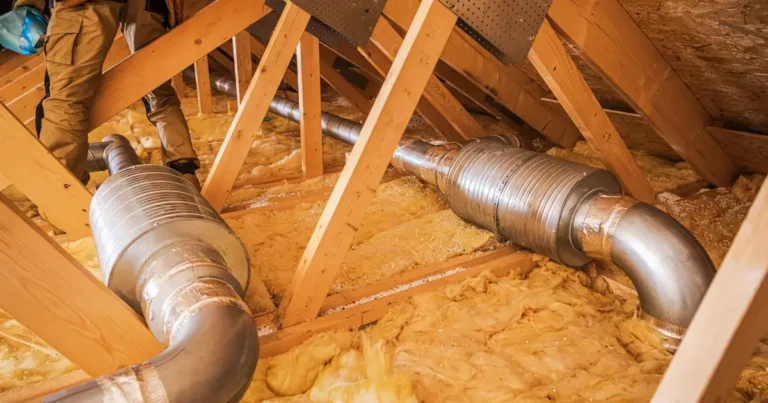
Roof cavities frequently reveal issues invisible from other locations. Many New Zealand homeowners are surprised by problems discovered during ceiling space inspections that have developed undetected over the years. Systematically examine for water penetration evidence, timber deterioration, or structural sagging. These issues can indicate weatherproofing failure or structural inadequacy threatening building stability.
In older housing stock, particularly heritage properties in established suburbs throughout the country, inspect timber framing for borer damage or decay from historical moisture problems. Check roof framing for earthquake damage in seismic regions—even minor events can cause structural shifts that weaken connections over time. Look for evidence of previous repairs or modifications that may not meet current Building Code requirements.
Assess insulation coverage and condition carefully. New Zealand’s climate zones vary significantly, from subtropical Northland to temperate southern regions—adequate insulation benefits all areas, particularly given rising energy costs and environmental consciousness. The Building Code requires minimum R-values for different climate zones, with colder regions requiring higher insulation levels. Check that insulation hasn’t been disturbed, compressed, or damaged by moisture or pests.
Check ventilation systems for proper operation. New Zealand’s humidity levels can create condensation issues without adequate airflow, leading to mould problems and timber deterioration in roof spaces. This becomes particularly important in regions with high rainfall or coastal humidity. Ensure soffit vents aren’t blocked and that adequate cross-ventilation exists throughout the roof cavity.
Whilst in ceiling areas, examine visible electrical systems for compliance and safety. Many New Zealand properties contain electrical installations from various decades that may not meet current safety standards. Look for old wiring types, inadequate earthing, or amateur modifications that could pose hazards.
Systematic internal assessment provides a comprehensive understanding of your property’s condition. Begin by examining wall and ceiling surfaces for crack development, staining, or irregularities that might suggest structural movement or moisture intrusion. Pay particular attention to corners where walls meet ceilings, and areas around windows and doors where weathertightness issues often manifest.
Test all windows and doors for smooth operation. Components that stick or fail to close properly often indicate foundation settlement or frame distortion—common issues in New Zealand’s varied soil conditions and seismic zones. In earthquake-prone regions, check for diagonal cracks at door and window corners, which may indicate structural movement. Inspect flooring materials for damage, wear patterns, or unevenness that could suggest underlying structural concerns.
Check all electrical components for proper function. New Zealand’s mix of building ages means electrical systems vary dramatically in age and compliance. Faulty electrical components pose safety hazards and can be costly to replace if problems accumulate—test power points, light switches, and fixed appliances. Look for evidence of amateur electrical work, which often doesn’t meet required standards.
Assess ventilation and thermal performance in each room. New Zealand’s humidity and temperature variations make proper ventilation essential, particularly in bathrooms and kitchens where moisture problems commonly develop. Check for adequate extractor fans and ensure they vent to the outside rather than into the roof or wall cavities. Look for signs of condensation, mould growth, or musty odours that indicate ventilation inadequacy.
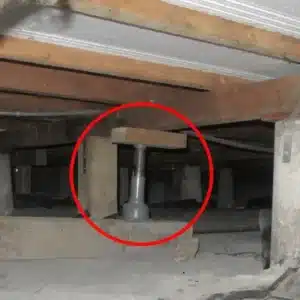
Foundation systems provide your building’s structural foundation, yet they’re often neglected during routine inspections. In New Zealand’s variable ground conditions, from volcanic rock to marine sediments and reclaimed land, foundation performance can vary significantly between locations. Access sub-floor areas where possible and scrutinise foundation elements and structural timbers.
Look for signs of deterioration, pest damage, or structural compromise. In earthquake-prone regions, check foundation connections for damage or loosening. Wellington, Christchurch, and other seismically active areas may show foundation cracking or settlement from past events. Ensure foundation piles remain securely attached to bearers, and check for adequate bracing where required.
Check foundation insulation adequacy—poor floor insulation leads to comfort problems and increased energy costs across New Zealand’s seasonal temperature variations. The Building Code now requires underfloor insulation in most situations, but older properties often lack this essential component. Inspect existing insulation for damage, compression, or moisture contamination.
Investigate thoroughly for pest activity. New Zealand’s climate supports various destructive insects, including borers and termites, in northern regions. Borer damage appears as small flight holes in timber, often with fine powder nearby. Termites, whilst less common than in Australia, do occur in warmer parts of the North Island. Look for mud galleries on foundations or timber, and check for hollow-sounding wood when tapped.
Ensure adequate sub-floor ventilation is in place and check for moisture accumulation. Damp conditions beneath buildings promote decay and create unhealthy indoor environments. Look for standing water, evidence of poor drainage, or excessive ground moisture. In areas with high water tables or poor natural drainage, additional ventilation or moisture barriers may be necessary.
Plumbing problems can cause extensive property damage if undetected, and issues often remain hidden until they become serious. New Zealand’s mix of building ages means plumbing systems range from heritage galvanised steel to modern plastic installations. Test all fixtures for adequate performance and proper drainage. Inconsistent water pressure or drainage problems can indicate broader system issues.
Examine areas around plumbing fixtures for signs of leaks or water damage—these locations are common sites for problems due to regular use and connection stress. Check under sinks, around toilets, and near hot water cylinders. Look for water staining, mould growth, or soft timber that indicates long-term moisture exposure.
Evaluate toilet function and check for leak indicators. Water waste from faulty toilets can be substantial over time. A simple test involves adding food colouring to the cistern—if colour appears in the bowl without flushing, the toilet is leaking. Inspect accessible plumbing for deterioration or leak evidence, particularly at connection points where failures typically begin.
New Zealand’s water pressure varies across different areas, which can stress plumbing systems differently. Properties in elevated locations or those supplied from tanks may experience different pressures than those at sea level on the mains supply. Check for evidence of water hammer, which can damage pipes and fittings over time. In coastal areas, check for corrosion on copper pipes and fittings, as salt air can accelerate deterioration.
Consider whether the property requires additional testing for contaminants. In some areas of New Zealand, particularly properties that were formerly used for illegal drug manufacture, methamphetamine testing may be prudent. This testing can identify contamination that poses serious health risks and requires professional remediation.
Thorough documentation forms the backbone of practical property assessment. Record all observations comprehensively, regardless of their apparent significance initially. Minor problems often indicate the development of significant issues, and maintaining detailed records enables tracking progress over time. Create a standardised checklist for each inspection to ensure consistency and completeness.
Photograph all concerns for future reference and comparison. Visual documentation proves invaluable when consulting professionals or monitoring problem development. Take photos from consistent angles to enable accurate comparisons over time. Include close-up shots of specific defects and wider shots showing context and location. Modern smartphones make this documentation straightforward and effective.
Create a prioritised action plan based on urgency and potential impact. Some issues require immediate professional attention, whilst others can be addressed through scheduled maintenance. Consider the possible consequences of each issue—structural problems and water ingress typically demand urgent action, whilst cosmetic issues can often wait—factor in seasonal considerations; for example, addressing weatherproofing before winter or earthquake strengthening during good weather.
Develop a maintenance schedule based on your assessment findings. Preventive maintenance typically costs significantly less than emergency repairs, and systematic scheduling ensures nothing gets overlooked. Consider seasonal tasks like gutter cleaning before winter, exterior painting in dry weather, and heating system servicing before cold weather arrives. Keep records of all maintenance activities, including dates, contractors used, and costs involved.
Whilst self-conducted assessments provide valuable insight, certain situations require professional expertise. For property purchases anywhere in New Zealand, professional building inspections are essential due diligence.
If you discover significant problems during your assessment, consulting qualified professionals can prevent costly mistakes. Structural engineers should assess foundation problems, significant cracking, or concerns about earthquake resistance. Trade-qualified building inspectors should evaluate Building Code compliance for alterations or additions. Qualified electricians must assess electrical safety concerns, and registered plumbers should inspect plumbing issues.
The country’s regulatory environment and Building Code requirements make professional advice particularly valuable for older properties or those with known issues from specific construction periods. Properties from the leaky building era require specialist assessment to determine the extent of any weathertightness problems. Heritage buildings benefit from consultants experienced with traditional construction methods and materials.
In earthquake-prone regions, consider commissioning a detailed seismic assessment for older buildings, particularly if you’re planning significant renovations or if the property hasn’t been assessed since major seismic events. Wellington and Christchurch have specific requirements for earthquake-prone buildings that may affect your property.

New Zealand’s leaky building crisis remains one of the most significant construction failures in the country’s history. Properties built between approximately 1988 and 2004 are particularly vulnerable, with an estimated 42,000 dwellings affected nationwide. The crisis resulted from a combination of factors, including untreated timber framing (permitted from 1998 to 2004), monolithic cladding systems without adequate drainage cavities, and inadequate weatherproofing details.
Properties from this era require meticulous inspection. Look for evidence of moisture penetration around windows, doors, and cladding joints. Check for soft or spongy cladding, which may indicate water damage to the underlying framing. Interior signs include persistent musty odours, mould growth, or staining on walls and ceilings. Even if remediation work has been completed, verify the quality and comprehensiveness of repairs through documentation and careful inspection.
New Zealand’s location on the Pacific Ring of Fire means earthquake resilience must be considered for properties throughout the country, particularly in higher-risk zones. Wellington, Christchurch, and parts of the central North Island face the highest seismic risk, but no region is entirely immune. Buildings constructed before the introduction of modern earthquake standards (particularly those built before 1976) may lack adequate seismic bracing.
During inspections, look for evidence of earthquake damage, including diagonal cracking at corners, separation between walls and floors, or gaps in cladding. Check that chimneys are properly braced and secured, as these heavy elements pose particular risks during seismic events. In multi-storey buildings, examine connections between floors and walls, and look for adequate lateral bracing in roof and wall framing.
New Zealand’s climate zones create specific challenges for property owners across different regions. Northland’s subtropical conditions mean buildings face high humidity and intense summer heat, requiring excellent ventilation and moisture management. The region’s warm winters reduce heating requirements but increase the risk of mould and condensation in poorly ventilated spaces.
Auckland’s humid climate demands attention to ventilation and drainage, with properties requiring robust weatherproofing against driving rain from multiple directions. The city’s volcanic geology creates variable soil conditions that affect foundation performance differently across suburbs. Bay of Plenty and Hawke’s Bay share similar considerations, with additional attention needed for properties near geothermal activity in Rotorua and Taupō.
Wellington’s notorious wind exposure severely tests building envelope performance. Properties must withstand sustained strong winds and driving rain, particularly on exposed hillsides. The region’s seismic activity adds another layer of complexity, requiring buildings to meet stringent earthquake resistance standards. Coastal properties face additional challenges from salt air corrosion.
The West Coast experiences New Zealand’s highest rainfall levels, with some areas receiving over 6,000mm annually. Properties require exceptional drainage systems, robust roofing, and careful maintenance of weatherproofing details. Moisture management becomes paramount, with inadequate ventilation leading rapidly to mould and timber decay issues.
Canterbury’s cold winters and hot summers create significant temperature ranges that stress building materials. The region’s nor’west winds bring dry conditions but can damage roofing and cladding. Post-earthquake Christchurch properties require particular attention to foundation performance and structural integrity, with many buildings experiencing ongoing settlement issues due to liquefaction-affected land.
Otago and Southland’s cooler climate demands higher insulation levels and efficient heating systems. Cold winters mean pipes in exposed locations risk freezing, whilst the region’s dry climate reduces some moisture-related issues common in other areas. However, the temperature extremes still require careful attention to thermal performance and weatherproofing.
New Zealand’s extensive coastline means many properties face unique challenges from salt air exposure and coastal weather. Metal roofing, fixings, and building components corrode more rapidly in coastal environments, typically within 500 metres of the sea. Regular maintenance becomes essential, with painting and protective coating schedules more frequent than for inland properties.
Coastal erosion and sea level rise increasingly affect properties near the shore. Local authorities now consider climate change projections when assessing building consents for coastal locations. Properties in vulnerable areas may face difficulties obtaining insurance or building consent for major renovations. Check with your local council regarding coastal hazard zones and any restrictions that may affect your property.
New Zealand’s heritage housing stock requires a specialised understanding of historical construction techniques and materials. Properties built before 1940 often used techniques and materials no longer in standard use, including native timbers, lime-based plasters, and traditional joinery methods. These buildings can perform well when maintained appropriately, but suffer if modern materials are misused in repairs.
Inspect heritage properties for evidence of rising damp, a common issue in buildings constructed before damp-proof courses became standard. Check for deterioration of original materials, including weatherboards, joinery, and decorative elements. Look for inappropriate modifications that may compromise the building’s character or performance, such as sealed windows that prevent necessary ventilation or modern cladding over traditional materials.
Understanding New Zealand’s Building Code helps property owners identify compliance issues during inspections. The Building Act 2004 requires all building work to comply with the Building Code, which sets minimum performance requirements for various building elements. Key areas include structural stability, fire safety, moisture control, and services like plumbing and electrical installations.
Properties modified without building consent may not meet current standards, potentially creating safety hazards and affecting insurance coverage or future sale prospects. Every day unconsented work includes deck additions, garage conversions, bathroom renovations, and structural alterations. Look for evidence of recent modifications and check whether appropriate consents were obtained.
Modern building inspections must consider health and safety issues beyond traditional structural and weather-tightness concerns. Asbestos remains present in many properties built before 1990, typically in ceiling linings, exterior cladding, and floor coverings. Professional testing is required if asbestos is suspected, and licensed specialists must undertake removal.
Lead paint occurs in many properties painted before the 1980s. Whilst stable paint poses limited risk, deteriorating lead paint can create health hazards, particularly for children. Take care when planning renovations that might disturb old painted surfaces, and consider professional testing if young children will occupy the property.
Indoor air quality is increasingly concerning to property owners, with mould growth, inadequate ventilation, and dampness affecting occupant health. The Building Code’s requirements for ventilation and moisture control aim to prevent these issues, but many older properties lack adequate ventilation and moisture-control systems. During inspections, note musty odours, visible mould growth, or condensation on windows that indicate ventilation inadequacy.
Comprehensive property assessment requires a dedicated time investment but provides crucial information about your building’s condition. Regular evaluations help identify developing issues before they become costly repairs, protecting both safety and property value over time. Consider scheduling annual inspections for older properties or those in challenging environments, whilst newer buildings may require assessment every few years.
Whether you’re a first-time buyer in Nelson, managing an investment property in Hamilton, or maintaining your family home in Invercargill, mastering effective building assessment techniques will serve you well throughout your New Zealand property ownership journey. The country’s diverse conditions and property types make these skills particularly valuable for maintaining your investment.
Professional building inspections remain essential for property purchases, providing expert assessment and comprehensive reporting that protects your investment. However, regular owner-conducted inspections between professional assessments enable early identification of developing issues and informed maintenance planning. This proactive approach minimises repair costs, maintains property value, and ensures safe, comfortable living conditions for you and your family.
______________________________________________________________________________________________________________

Alert Building Inspections provides professional building reports throughout New Zealand, delivered within 24-48 hours. Ready to protect your property investment? Call 0800 4 ALERT (425 378).
Book an inspection | View our services | Read more property advice