New Zealand’s diverse housing stock, ranging from heritage villas and weatherboard bungalows to modern apartments and townhouses, presents unique challenges for property owners across the country. Understanding common building defects can save homeowners thousands of dollars in unexpected repairs and help maintain property value.
From the humid subtropical climate of Northland to the alpine conditions of the South Island, New Zealand’s varied environmental conditions create specific issues that arise more frequently than in many other countries. This makes awareness essential for both existing homeowners and prospective buyers nationwide.
Building defects can range from minor cosmetic issues to significant structural problems that threaten the safety and value of your home. New Zealand’s combination of marine air in coastal regions, high rainfall across much of the country, and temperature fluctuations from north to south creates an environment where specific defects become particularly prevalent. Recognising these issues early through regular inspections can prevent minor problems from escalating into costly repairs.
Through extensive experience across residential properties throughout New Zealand, clear patterns emerge that every homeowner should understand. These defects don’t discriminate by region—properties in Wellington face weathertightness challenges similar to those in Christchurch, whilst Auckland and Tauranga homes contend with humidity-related issues.
Water penetration ranks as the most significant concern for New Zealand homeowners nationwide. The country’s high rainfall, particularly in western regions and the upper North Island, creates constant pressure on building envelopes. According to Building Performance research, moisture-related issues account for a substantial portion of building defect claims across New Zealand.
Water ingress commonly occurs around windows, door frames, and penetrations through walls and roofs. Poor flashing installation, deteriorated sealants, and inadequate weatherproofing allow moisture to enter wall cavities where it remains undetected until visible damage appears. Properties built between 1990 and 2004 are particularly vulnerable, especially those with monolithic cladding systems that were common during the “leaky building” era.
Early signs include musty odours, water staining on ceilings or walls, peeling paint, and bubbling plaster. In severe cases, timber framing deteriorates, requiring extensive remediation that can cost between $50,000 and $150,000, depending on the property’s size and the extent of damage. The Weathertight Homes Resolution Service has processed thousands of claims since its establishment, highlighting the scale of this nationwide issue.
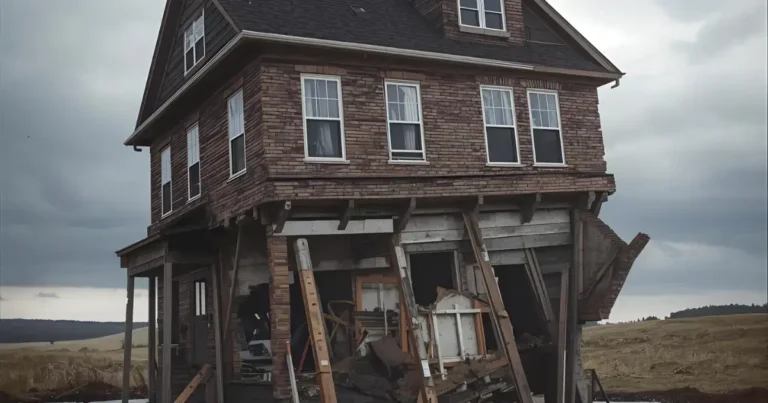
New Zealand’s diverse geology significantly influences foundation performance across different regions. The country’s position on active fault lines means seismic considerations are paramount, whilst soil types vary dramatically from volcanic deposits in the central North Island to alluvial plains in Canterbury and hard rock in parts of Otago.
Vertical cracks wider than 3mm, horizontal cracking, or doors and windows that stick indicate potential foundation problems requiring professional assessment. Sloping floors often signal foundation issues, particularly in older properties. Timber piles in pre-1950s homes may rot when ground clearance proves inadequate, whilst concrete foundations can crack due to expansive clay soils, liquefaction-prone areas, or insufficient reinforcement.
Wellington and other seismically active regions face additional structural considerations, with older unreinforced masonry buildings posing particular risks. Properties in Christchurch rebuilt after the 2010-2011 earthquakes generally meet higher standards, but older homes throughout the country may require seismic strengthening.
Weathertightness extends beyond simple water ingress to encompass the entire building envelope’s ability to exclude moisture whilst allowing appropriate ventilation. New Zealand’s coastal environment, which affects properties from Northland to Southland, accelerates the deterioration of exterior materials, making regular maintenance crucial.
Common defects include deteriorated cladding joints, missing flashings around penetrations, and inadequate drainage cavities behind cladding. Roof problems range from missing tiles and corroded valleys to inadequate fixing and ventilation issues. Different regions face specific challenges—coastal properties experience accelerated corrosion from salt spray, whilst alpine areas in Queenstown and Wanaka contend with snow loading and freeze-thaw cycles.
Identifying roof problems early typically costs between $3,000 and $8,000 to repair, compared to full replacement costs exceeding $20,000 for an average-sized home. Properties with documented maintenance histories commonly exhibit fewer severe defects, regardless of location.
Whilst building defects can occur anywhere in New Zealand, certain regions face specific challenges. Coastal areas from the Bay of Islands to Invercargill experience accelerated corrosion of metal components due to salt exposure. Properties in areas with clay soils, including parts of Auckland, Hamilton, and the Waikato, face greater risks of foundation movement.
Wellington’s strong winds place additional stress on roofing materials and cladding systems, whilst Christchurch properties must meet stringent earthquake standards. The West Coast’s exceptional rainfall demands robust waterproofing, and Central Otago’s temperature extremes test building materials in ways different from the milder climates of Northland or the Bay of Plenty.
What’s the average cost to repair common building defects in New Zealand properties?
Costs vary significantly depending on the defect type and severity. Minor repairs, such as replacing damaged weatherboards, typically range from $500 to $3,000. Moderate issues, such as deck waterproofing, cost between $5,000 and $15,000. Extensive weathertightness remediation for moisture-damaged properties can exceed $100,000, making early detection crucial to limit expenses.
How often should New Zealand homeowners inspect their properties for defects?
Homeowners should conduct basic visual inspections quarterly, checking for obvious issues like blocked gutters or water staining. Comprehensive professional assessments should occur every 3 to 5 years for newer properties, or more frequently for homes over 20 years old. Before purchasing property, thorough pre-purchase inspections prove essential for property investors and owner-occupiers alike throughout New Zealand.
Are certain regions more prone to specific building defects?
Yes, regional variations exist. Coastal properties experience accelerated corrosion, whilst areas with clay soils face greater risks of foundation movement. Seismically active regions require particular attention to structural integrity, and high-rainfall areas demand superior waterproofing. However, defects can occur anywhere in New Zealand, with construction quality and maintenance history proving more significant than location alone.
Can I identify severe building defects myself, or do I need professional help?
Whilst homeowners can spot obvious problems like water staining or cracking, many severe defects remain hidden within wall cavities or structural elements. Professional building inspections utilise specialised equipment and expertise to identify issues not apparent to untrained observers. Given the potential costs of undetected problems, professional assessments provide valuable protection for property owners nationwide.
Understanding building defects empowers New Zealand homeowners to maintain their properties effectively and make informed decisions. The country’s varied climate and unique environmental conditions pose specific challenges that require vigilance and appropriate expertise.
Regular inspections combined with proper maintenance help preserve property value whilst avoiding the significant costs associated with neglected defects. Whether you own a villa in Dunedin, a townhouse in Auckland, or a lifestyle property in the Wairarapa, proactive attention to building defects protects your investment for years to come.
______________________________________________________________________________________________________________
Alert Building Inspections provides professional building reports throughout New Zealand, delivered within 24-48 hours. Ready to protect your property investment? Call 0800 4 ALERT (425 378).
Book an inspection | View our services | Read more property advice