
Water damage costs New Zealand homeowners millions each year. Most of that damage started small—a minor leak, poor flashings, inadequate ventilation. Left undetected, these problems can develop into rotting timber, failed cladding systems, and structural issues that require tens of thousands of dollars to fix correctly.
That’s why moisture testing exists. Using calibrated equipment and experienced eyes, building inspectors find hidden water problems before they destroy your investment. For property buyers across New Zealand, this testing becomes essential given our climate patterns and the variety of building styles nationwide.
New Zealand experiences diverse climate conditions across regions. Many areas receive reliable rainfall spread throughout the year, with winter bringing persistent humidity that takes time to dry out. Coastal regions face salt-laden moisture. Inland areas experience temperature fluctuations. This constant cycling between wet and dry, hot and cold, stresses building materials and creates conditions where moisture problems develop.
Our inspectors regularly examine renovated properties—beautiful new kitchens, fresh paint throughout, polished floors that gleam. Owners have clearly invested serious money into renovations. But moisture readings around bathrooms sometimes exceed 25%—far too high for healthy timber. Further investigation reveals bathroom waterproofing failures. Water has been running into wall cavities for months, possibly years.
Buyers walk away from these properties. Moisture testing services save them from buying someone else’s expensive problem.
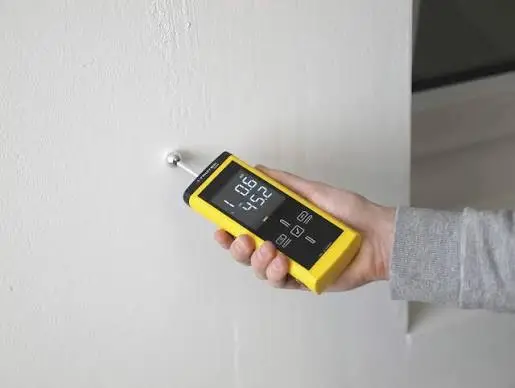
Trade-qualified building inspectors use two main types of moisture metres during inspections. Pin-type metres have sharp probes that penetrate timber to measure moisture content below the surface. Non-invasive metres detect moisture through painted or finished surfaces without leaving marks.
Regular moisture readings for timber framing sit below 18%. Readings between 18% and 20% indicate elevated moisture that needs monitoring. Anything above 20% suggests active moisture problems. Readings above 25% show serious water penetration occurring right now.
But numbers alone don’t tell the whole story. An experienced building inspector understands context. Is that 19% reading around the bathroom window concerning? Depends on recent weather, the age of the sealants, whether the flashings look adequate, and if other signs of moisture damage appear nearby.
Moisture testing checks multiple areas throughout every property—window and door frames, where poor installation or failed sealants let water through. Bathroom walls and floors are where waterproofing failures cause ongoing damage. Kitchen sink areas, where plumbing leaks can hide behind cabinetry. External cladding junctions, where different materials meet, and water finds its way inside.
Savvy buyers book pre-purchase building inspections before they commit to any property. This inspection provides an independent assessment of the building’s condition—including moisture testing throughout.
A pre-purchase building inspection covers everything from foundations to roofing, interior spaces to exterior cladding. The inspector photographs issues, measures moisture levels, tests for structural movement, and documents everything in a detailed report you receive within 48 hours.
This report gives you real power during property negotiations. Found moisture damage? You can request repairs before settlement, negotiate a reduced purchase price to cover the work yourself, or decide the problems are too severe and walk away entirely. Without a pre-purchase building inspection, you’re buying blind.
New or near-new properties often look perfect on the surface. Modern fixtures, everything clean and tidy. But construction defects happen in new homes, too. Missing cavity closers, incorrect flashing installation, poor ground clearances—these issues won’t be obvious during a casual viewing. A pre-purchase building inspection finds them.
A home inspection service examines the physical condition of a property at a specific point in time. This visual assessment identifies defects, safety hazards, and maintenance issues that affect the building’s performance and value.
The inspection process typically takes 1-3 hours, depending on property size and complexity. Inspectors examine roof spaces (where accessible), subfloor areas, interior rooms, exterior cladding, windows and doors, plumbing and drainage systems, and electrical installations. Moisture testing happens throughout this process.
After the inspection, you receive a report that explains findings in plain language. Photos show exactly what the inspector saw. Recommendations outline which issues need immediate attention, which can wait, and which items require specialist assessment from plumbers, electricians, or structural engineers.
Our inspectors regularly reveal elevated moisture readings in bedroom walls. Further investigation often reveals that exterior downpipes have separated from the drainage system. Every time it rains, water pours into garden beds against house walls. Timber framing absorbs moisture for years before visible damage appears.
Commercial buildings face different challenges than residential properties. Larger roof areas mean more potential leak points. Complex plumbing systems serve multiple tenants. Air conditioning installations penetrate roofing and walls, creating risks of water entry. Carpark areas and loading zones experience constant vehicle traffic, which stresses the concrete and exposes buildings to water pooling.
A commercial building inspector understands these specific risks. They know where commercial buildings typically fail. They recognise signs of deferred maintenance before it becomes structural failure. They identify compliance issues that might affect your ability to lease the property.
Moisture testing in commercial buildings checks around air-conditioning penetrations, flat-roof valleys, expansion joints, loading-dock areas, and any location where water might accumulate or penetrate. Commercial buildings often hide problems longer than residential properties because tenants don’t report minor leaks and owners overlook issues in spaces they rarely visit.
Moisture and pests go together. Termites need moisture to survive. Borer beetles prefer damp timber. Rats and mice seek water sources. When moisture problems exist in a building, pest problems often follow.
A pest inspection service identifies evidence of insect and rodent activity. Inspectors look for termite mud tubes, borer flight holes, rat droppings, gnaw marks, and other signs that pests have taken up residence. They check subfloor areas where timber sits close to damp ground. They examine roof spaces where rodents enter through gaps in cladding or roofing.
The connection between moisture testing and pest inspection matters because both address threats to timber structures. Damp timber becomes weak timber. Weak timber attracts pests. Pests cause more damage. The cycle continues until someone identifies the original moisture source and fixes it properly.
Pest damage repairs can cost thousands. Borer treatment requires fumigation or timber replacement, depending on the severity of the infestation. Termite damage might mean replacing entire sections of framing. Finding these problems during a building inspection lets you factor repair costs into your purchase decision rather than discovering them after settlement.
Sometimes a standard building inspection isn’t enough. Maybe you’re looking at a property with known issues and need advice on repair costs. Perhaps you’re planning major renovations and want professional input on structural options. Or you’ve received a building report that raises questions you can’t answer on your own.
A building consultant provides specialised expertise. They can assess whether structural modifications are feasible, estimate renovation costs, identify building consent requirements, and help you understand long-term maintenance priorities for specific properties.
This consulting role becomes particularly valuable for investment properties. A building consultant helps you calculate realistic return on investment, identify which repairs add value versus which maintain condition, and spot potential compliance issues that might prevent you from renting the property.
The consultant’s experience means they understand local construction patterns, common defects across eras, and typical repair costs in your area. This knowledge helps you make better financial decisions about property purchases.
Book moisture testing as early as possible in the buying process. Many buyers wait until a conditional offer is accepted. That works, but earlier testing gives you more flexibility. You can walk away from obviously defective properties before spending money on legal fees and building inspections.
For auction properties, testing must happen before auction day. Once the hammer falls, you own that property and all its problems. A pre-auction building inspection with moisture testing lets you bid confidently knowing exactly what you’re buying.
During due diligence periods for conditional contracts, moisture testing should be conducted within the first few days. This gives you time to request specialist assessments if the building inspector finds concerning issues. Structural engineers, weathertightness specialists, or remediation contractors might need several days to schedule inspections and provide quotes.
Moisture testing identifies elevated moisture levels and visible signs of water damage. It can’t see through solid walls to find hidden problems without destructive investigation. It can’t predict future problems that don’t currently exist. It can’t tell you whether previous water damage was repaired correctly or just covered over.
If moisture testing reveals significant concerns, further investigation might be needed. This could mean removing sections of cladding to inspect cavity conditions, cutting into linings to examine framing, or engaging weathertightness specialists for a detailed assessment. These invasive investigations cost extra and require the property owner’s permission.
Understanding these limitations helps set realistic expectations. A building inspection provides a snapshot of visible conditions on the day of inspection. It identifies problems that exist now. It can’t guarantee a problem-free future or find every defect in every property.
Property purchases represent most people’s most significant financial commitment. Protecting that investment starts with understanding exactly what you’re buying. Moisture testing forms a critical part of this due diligence process.
Hidden moisture damage costs New Zealand homeowners millions in repairs each year. Much of that expense could be avoided if problems were identified before purchase. Buyers could negotiate repairs, adjust offers, or choose different properties. Instead, they discover issues after settlement, when options are limited, and repairs come entirely out of pocket.
Professional moisture testing by trade-qualified building inspectors provides the information you need to make smart property decisions. Whether buying in established suburbs or newer developments, understanding a building’s moisture performance protects you from expensive surprises.
Alert Building Inspections provides thorough moisture testing throughout New Zealand. Our experienced inspectors use professional equipment, understand local building conditions, and deliver detailed reports that explain findings in language anyone can understand. Book your building inspection today and buy property with confidence, knowing exactly what you’re getting.
______________________________________________________________________________________________________________
Alert Building Inspections provides professional building reports throughout New Zealand, delivered within 24-48 hours. Ready to protect your property investment? Call 0800 4 ALERT (425 378).
Book an inspection | View our services | Read more property advice

Copyright © 2016- Alert Building Inspections