Henderson properties look solid from the street. Most of the suburb's established housing — three-bedroom timber-framed homes from the 1960s and 1970s — presents as tidy, well-kept, and straightforward. But Henderson has a combination of ageing building stock and reactive clay soils that creates problems you will not see on a walk-through, and our inspectors find significant issues in this suburb more often than most buyers expect.
The majority of homes we inspect in Henderson were built during the suburb's rapid expansion from rural farmland into a residential centre, following the construction of the north-western motorway in the 1950s and 1960s. Many were originally state houses or modest private builds on concrete slab or ring beam foundations, with weatherboard or fibrolite cladding, concrete tile or corrugated steel roofing, and aluminium joinery. These homes were generally well-built for their era, but they are now 50 to 70 years old, and nearly every original component is at or past its design life.
Roofing is consistently one of the first areas of concern. Original concrete tile roofs are now 50 to 60 years old, with many showing cracked or broken tiles, degraded bedding and pointing on ridge and hip caps, and surface erosion that compromises their ability to shed water. Corrugated steel roofs from the same era often show rust penetration, deteriorated flashings, and fastener corrosion. A full roof replacement typically costs between $15,000 and $35,000, depending on size and complexity — a figure that can significantly change a buyer's arithmetic if they were not expecting it.
Foundation performance is where Henderson really stands apart. The suburb sits on reactive clay soils that swell when wet and shrink when dry, and after 50 to 60 years of this seasonal movement, many foundations have cracked, settled, or shifted unevenly. We regularly find floor-level variations of 15 to 25mm across living areas in Henderson homes — enough to confirm that the ground beneath the building is not sitting still. This is the single most important issue for Henderson buyers to understand, and we cover it in detail below.
Our inspectors also assess the condition of original aluminium joinery, insulation levels (many Henderson homes have minimal ceiling insulation and no wall or underfloor insulation), and the overall standard of maintenance. Henderson's ownership history is mixed — long-term owner-occupiers alongside rental properties where maintenance may have been deferred for years — and a freshly painted exterior does not always reflect what is happening underneath.
+
+
24-48 Hour Report Delivery Guaranteed
Looking for a Building Inspector in Henderson? Our trade-qualified inspectors provide thorough building reports within 24-48 hours, combining speed with meticulous attention to detail.
Our Henderson building inspection service covers all local areas, making it perfect for time-sensitive property purchases. Each inspector carries professional indemnity insurance and brings deep knowledge of Henderson's local market and common building challenges. All inspections comply with NZS4306:2005 standards for comprehensive, reliable assessments.
Property buyers rely on our inspection expertise for accurate, affordable and actionable assessments. Every report delivers a complete structural evaluation, weathertightness analysis, and maintenance requirements—giving you the information you need to make confident purchasing decisions on schedule.
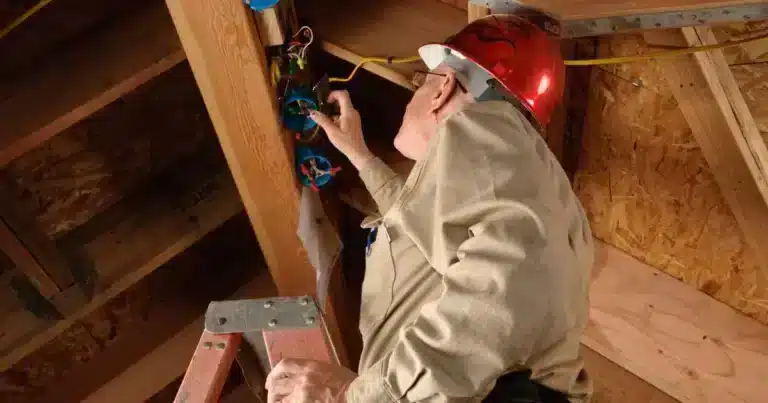

Investing in Henderson property is a major financial commitment—a Pre Purchase Building Inspection protects that investment. Our comprehensive reports are prepared by inspectors with extensive knowledge and experience of the Henderson market.
Pre-Purchase Building Inspections go beyond basic assessments. Each property receives a thorough evaluation from the foundation through the roof structure. Our trade-qualified inspectors assess structural components, weathertightness systems, electrical installations, and plumbing infrastructure in accordance with NZS4306:2005.
Schedule your Pre-Purchase Building Inspection to receive your report within 24-48 hours. Every report includes moisture testing results, structural analysis, and detailed documentation to support confident property negotiations.
Professional and Reliable Inspection reports to NZS reporting Standards
Same-day onsite testing with building inspection in all locations.
On site or over the phone verbal overview for time critical decisions




Henderson sits between the Waitākere Ranges to the west and the Te Atatū Peninsula to the east. This geography, combined with the suburb's reactive clay soils and direct exposure to Auckland's prevailing weather, creates a set of building challenges that our inspectors encounter consistently across the area.
This is the big one for Henderson. The suburb sits on Waitemata Group sedimentary rocks — alternating layers of sandstone and mudstone that weather into moderately to highly reactive clay soils. These clays absorb moisture during Auckland's wet winters and expand, then release moisture and contract during dry summers. This cycle repeats year after year, and the cumulative effect on building foundations is significant.
The majority of Henderson's housing stock sits on ring beam or slab-on-ground foundations. The original ring beam foundations common in the suburb's 1960s and 1970s homes are often smaller than modern standards require and were not designed with the full extent of clay reactivity in mind. Over decades of seasonal movement, differential settlement develops — one part of the building moves more than another — and the result is cracking in walls, binding doors and windows, and floors that slope or feel uneven underfoot.
Lower-lying parts of Henderson near Henderson Creek and its tributaries — the Ōpanuku, Oratia, and Paremuka streams — present additional challenges. These areas have alluvial deposits of clays, silts, and peat that can be softer and less predictable than the residual clays on higher ground. Mature trees in larger sections can worsen the problem by drawing moisture from the soil and accelerating seasonal shrinkage beneath foundations.
Our inspectors check for cracking patterns, floor-level variations, evidence of previous repairs, and drainage conditions around the foundation perimeter on every Henderson inspection. Where findings raise concerns, we recommend a structural engineer's assessment. Remediation options range from improved drainage through to resin injection or underpinning, depending on the severity, and catching the problem early almost always means a simpler and less expensive solution.
Henderson is on the front line when Auckland's prevailing south-westerly weather systems arrive. West-facing elevations take the brunt of wind-driven rain, and our inspectors consistently find that building envelopes on the western side of Henderson properties show more weathering and moisture-related deterioration than other aspects of the same building. Weatherboard cladding on the weather side often has more advanced paint failure and timber degradation, roofing materials wear faster on the exposed slopes, and flashings and sealant joints are tested more aggressively by the combination of wind and rain.
Auckland's annual rainfall exceeds 1,200mm, and Henderson's proximity to the Waitākere Ranges means local rainfall can be higher still, as weather systems are pushed upward over the ranges and release additional moisture. In this environment, even minor weathertightness failures — a cracked sealant joint, a blocked ventilation gap, a deteriorated flashing — can lead to moisture accumulation within wall cavities and roof spaces that goes undetected until real damage has been done. Our inspectors conduct comprehensive moisture testing on every Henderson property, with particular attention to west-facing elevations, where the climate is most likely to expose building-envelope failures.
Homes from the 1950s to the 1970s are Henderson's dominant building type, and the ones our inspectors know most intimately. These are the properties where reactive clay soil has had the longest to work on the foundations, where original roofing is at or past its limit, where asbestos-containing fibrolite may be present in cladding and soffits, and where decades of renovations and extensions — some consented, some not — have created a layered history that only a thorough inspection can unravel. When we find problems in Henderson, this is most often where we find them.
Properties from the 1980s and early 1990s are generally more robust — brick veneer, concrete tile roofing, and larger floor plans. They hold up structurally, though the original roofing and hot water cylinders are now due for replacement, and the bathroom waterproofing that predated modern standards may no longer be effective.
Henderson also has a significant number of properties from the leaky building era — homes built between approximately 1988 and 2004 with monolithic plaster cladding. The suburb saw substantial townhouse and multi-unit development during this period, much of it incorporating the high-risk design features associated with weathertightness failure. Our inspectors allocate additional time for properties from this era, with extensive moisture testing at every penetration point and junction.
More recently, intensification around the Henderson town centre and along Lincoln Road has brought modern townhouse and apartment developments built to current code standards. The building code is better, but the execution is not always what it should be.
Our inspectors regularly find incomplete flashings, poorly connected drainage, bathroom extraction ducted into ceiling cavities rather than to the exterior, and finishing defects that point to rushed construction. A pre-purchase inspection on a new home provides an independent check that the property was actually built to the standard it was supposed to be.
Every property tells a different story. Here are two anonymised examples from recent inspections our team has carried out in Henderson, showing the kinds of issues we identify and why a professional building inspection matters.
A three-bedroom weatherboard home on a ring beam foundation, presented in tidy condition with a recently painted exterior. The vendor described the property as "solid" and "well-maintained," and at first glance, it looked the part.
Underneath the fresh paint, the picture was different. Our inspection identified diagonal cracking in the ring beam foundation at two corners and stepped cracking in the concrete block retaining wall at the rear — classic signs of differential settlement on reactive clay.
Floor levels varied by more than 20mm across the living areas, confirming that the ground movement was ongoing. The original concrete tile roof had multiple cracked tiles, and the ridge capping bedding had deteriorated to the point where it was no longer weathertight. In the ceiling space, we found the original fibrolite soffit linings, which are likely to contain asbestos — not a problem while undisturbed, but a significant cost factor if the buyer planned any renovation work.
We recommended a structural engineer's assessment for the foundation movement and a specialist asbestos survey before committing to renovation. Armed with our report, the buyer negotiated a $25,000 price reduction to account for roof replacement and foundation remediation — money they would have spent regardless, but without the inspection, they would not have known to request.
A two-storey townhouse with monolithic plaster cladding, built during the peak of the leaky building era. The property had a recently renovated interior — new kitchen, repainted throughout — and presented beautifully at open homes. Nothing visible suggested a problem.
Our moisture testing told a different story. We identified elevated readings at two upper-level window locations, at the junction between the balcony and the main wall, and around the meter box penetration on the ground floor. The balcony had a solid plaster balustrade with no visible drainage path — one of the highest-risk configurations from this era, because water that enters the balustrade has no way to escape and instead tracks back into the wall structure.
We recommended a full invasive moisture investigation before the buyer committed. The subsequent investigation confirmed significant moisture damage to the framing behind the upper-level cladding, with an estimated full reclad cost of approximately $320,000. The buyer withdrew from the purchase. Without the inspection, they would have faced a remediation bill worth more than a third of the purchase price.
Our comprehensive building inspection reports start from $299 for a verbal report and from $499 for a full written pre-purchase report. The final price depends on the property's size, age, and complexity. Larger homes, multi-storey properties, and those with monolithic cladding or complex construction typically require more inspection time and therefore cost more.
We provide a firm quote based on your property address before you commit, so there are no surprises. When you consider that a building inspection might identify tens of thousands of dollars in hidden issues — or give you the confidence to proceed — the cost represents a small fraction of what is likely the largest financial decision you will make.
Our building inspectors conduct a systematic inspection of every accessible area of the property in accordance with NZS 4306:2005. Inside the property, we inspect wall linings, windows and doors, floors, bathroom fixtures and fittings, tiled areas, kitchen cabinetry, and any areas showing signs of moisture penetration or damage. We conduct thorough moisture testing throughout the house, checking all windows, doors, bathrooms, and other potential water-entry points.
In the subfloor area, where accessible, we inspect foundations, piling, ventilation, plumbing pipework, and look for signs of moisture, borer activity, or timber decay. On New Zealand's reactive clay soils, subfloor inspections are particularly important because foundation movement is one of the most common issues we encounter.
We inspect ceilings, roof spaces, roof framing, insulation, wiring, and ventilation. Externally, we assess the condition of the cladding, door and window frames, garages, fences, paving, driveways, decking, drainage, and the overall site.
For coastal properties, we pay particular attention to weathertightness — especially on properties built during the monolithic cladding era — and to foundation performance on the city's reactive clay soils.
You will receive a detailed, professionally formatted report that uses clear, straightforward language — not technical jargon. Every issue we identify is documented with photographs and explained in terms of its implications for you as a buyer.
We categorise findings by severity so you can quickly distinguish between urgent issues requiring immediate attention, maintenance items that should be addressed within a reasonable timeframe, and minor observations for your general awareness.
Each report includes specific recommendations—not vague statements, but practical guidance on what to do. Where we recommend further specialist investigation, such as a structural engineer's assessment or an invasive moisture test, we explain why and what the likely outcomes might be.
Our reports are accepted by all major banks and lending institutions, and they are designed to support your decision-making, whether that means proceeding with confidence, renegotiating the purchase price, requesting specific repairs, or walking away from a property that carries too much risk.
A building inspection is a detailed, independent examination of a property's condition conducted by a qualified inspector. In New Zealand, a building inspection is particularly important because of our unique combination of challenges. Auckland, for example, was the epicentre of New Zealand's leaky building crisis, with the highest concentration of affected properties in the country.
The city's reactive clay soils cause foundation movement that affects properties across all suburbs and all eras of construction. New Zealand's humid coastal climate tests building envelopes more aggressively than in most other parts of the country, and the city's recent construction boom has produced large numbers of new properties where construction quality varies with the pace of development.
A professional building inspection gives you independent, expert information about the property's true condition — information that the vendor, the real estate agent, and even the property's outward appearance cannot reliably provide.
Most building inspections take 1 to 2 hours on-site, depending on the size, age, and condition of the property. Larger homes, properties with extensive subfloor areas, and those with monolithic cladding systems typically take longer because they require more detailed assessment.
Multi-storey homes and properties with complex construction also require additional time. Our inspectors do not rush — a thorough inspection is worth far more to you than a quick one.
After the on-site inspection, your report is prepared and delivered within 24–48 hours.
Yes, and New Zealand's recent construction boom makes this more important than ever. The scale and pace of residential development across the city have placed enormous pressure on the building industry, and the demand for qualified tradespeople has consistently exceeded supply.
While the building consent and inspection process provides a level of quality assurance, it does not catch everything. Our inspectors regularly find issues in relatively new homes, including incomplete flashings, poorly connected drainage, bathroom extraction ducts in roof spaces, and finishing defects that suggest rushed workmanship.
In multi-unit developments, we also assess inter-tenancy separation, shared services, and common-area quality. Identifying these issues before settlement gives you the opportunity to have them remedied while they are still straightforward to fix.
Absolutely — we encourage it. Attending the inspection gives you the opportunity to see the property through the eyes of an experienced building professional, ask questions in real time, and gain a far deeper understanding of the home than a report alone can provide.
Our inspectors will walk you through their findings on site, point out areas of concern, explain what is normal for the age and type of property, and provide context to help you interpret the written report when it arrives. There is no additional charge for attending, and most clients find it one of the most valuable parts of the process.
New Zealand has distinct common building issues that reflect the climate, geology, and construction history. Weathertightness failure is the most financially significant risk, particularly in properties built during the monolithic cladding era of the late 1980s through to the mid-2000s. Auckland has the highest concentration of leaky building-era properties in New Zealand, and moisture penetration through compromised cladding remains one of our most frequent findings.
Foundation movement caused by reactive clay soils is another common issue. Seasonal shrinking and swelling of clay soils places ongoing stress on foundations, leading to cracking, settlement, and differential movement that worsens over time if left unaddressed. Properties on steeper sites face additional challenges with retaining wall adequacy and site drainage.
Borer infestation in native timber framing is common in older homes, particularly in subfloor areas with poor ventilation. Rotting timber, inadequate insulation, deferred exterior maintenance, ageing roofing, corroded metal fixings in coastal areas, and non-consented building work round out the list of issues our inspectors encounter regularly.
New Zealand's humid climate means that even relatively minor weathertightness failures can escalate quickly into significant problems if they are not identified and addressed promptly.
Yes, pre-purchase building inspections are our core service throughout New Zealand. Whether you are buying your first home, upgrading to a larger property, purchasing an investment property, or acquiring a commercial building, our inspections are designed to provide you with the detailed, independent information you need before committing.
All of our building inspectors are trade-qualified through the Building and Construction Industry Training Organisation (BCITO) and bring extensive hands-on experience as practising builders. They hold professional indemnity insurance and conduct all inspections in accordance with NZS 4306:2005.
Our inspectors have deep local knowledge — they understand the specific challenges of New Zealand's housing stock, from the reactive clay soil issues that affect properties across the country to the particular risks associated with each area.
This local expertise comes from inspecting hundreds of properties and seeing firsthand what issues recur in specific suburbs, building types, and construction periods.
A building inspection — more specifically, a pre-purchase building inspection — is commissioned by the buyer to assess the condition of a property before purchasing it. The report is designed to identify defects, maintenance issues, and potential risks so the buyer can make an informed decision.
A pre-listing inspection, by contrast, is commissioned by the seller before listing the property. The purpose is to identify any issues in advance so the seller can either address them before listing or disclose them transparently to potential buyers. Both types of inspection follow the same rigorous methodology.
For sellers in New Zealand's competitive market, a pre-listing inspection can be particularly valuable because it demonstrates transparency and builds buyer confidence, often supporting a smoother, faster sale process.
Yes, moisture testing is a core component of every building inspection. In particular, given that many homes were affected by the leaky building crisis and the ongoing moisture challenges posed by the humid coastal climate, a comprehensive moisture assessment is essential.
We use both pin-type and non-invasive moisture meters to test at windows, doors, cladding penetrations, bathrooms, and any other areas where moisture ingress is possible. For properties from the leaky building era (1988–2004), we conduct more extensive testing and assess the overall risk profile based on cladding type, design features, and maintenance history.
Where our findings indicate a concern, we recommend a full invasive moisture investigation by a specialist weathertightness consultant.
Looking for building inspection services in Auckland, Wellington, Christchurch or anywhere else for that matter? Alert Building Inspections provides detailed building reports within 24-48 hours, conducted by trade-qualified inspectors who understand your local property market and common building issues. We follow the New Zealand Standard for Property Inspections (NZS4306:2005) and serve all New Zealand !

Copyright © 2016- Alert Building Inspections