
Water damage is one of the most expensive problems a property can hide. In New Zealand, a history of leaky buildings has made buyers cautious — for good reason. Moisture that seeps into walls and framing can lead to rot, mould, and structural decay over time.
When you’re considering a property, knowing what to look for helps you ask better questions before you commit. A thorough Building Report can reveal issues that aren’t visible during a casual walkthrough.
New Zealand’s climate is tough on buildings. Driving rain, high humidity, and coastal salt spray all put pressure on exterior claddings and flashings. Over time, even small weaknesses can let water in where it shouldn’t be.
Once moisture enters a wall cavity, it doesn’t always show itself immediately. Rot can develop slowly inside timber framing, and mould can grow behind linings for years before anyone notices. By then, repair costs can be substantial.
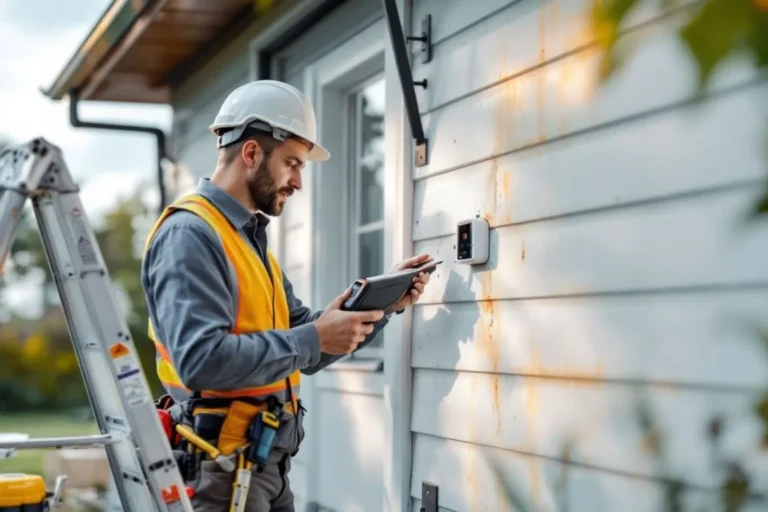
That’s why a pre purchase building inspection is so valuable. A trained building inspector knows where water tends to enter and what warning signs to look for.
Start by walking slowly around the exterior. Look at the cladding — whether it’s weatherboard, brick veneer, or plaster — and check for cracks, gaps, or areas where the surface has bubbled or blistered.
Pay close attention to penetrations. Windows, doors, pipes, and vents all create potential entry points for moisture. Cracked, missing, or poorly applied sealant is a common culprit.
Check the roofline carefully. Missing or broken spouting, damaged flashing around chimneys, and lifted roofing iron can all channel water down into the walls instead of away from them.
Inside the home, musty odours often point to hidden dampness. Staining on ceilings or walls — especially around windows and doors — can indicate past or ongoing leaks.
Look for wallpaper that is peeling, paint that is bubbling, or skirting boards that feel soft or spongy. These are telltale clues that moisture has been present.
Check under sinks, around bathtubs, and in the laundry area. Persistent dampness in those spots might be plumbing-related rather than weather-related, but either way it requires attention.
Window frames deserve special scrutiny. Condensation that collects on the glass or the frame itself can lead to rot in timber frames over time. If you notice decay at the bottom corners of windows, that is a red flag.
Some warning signs are obvious, but many are not. A building inspector uses specialised tools such as moisture meters to detect elevated dampness in walls and floors that would otherwise go unnoticed.
During our inspections, we may identify issues that warrant further investigation by a specialist. If we spot potential code-related concerns, we will recommend consulting a building certifier. Our goal is to give you a clear picture of the property’s condition so you can make an informed decision.
A Builders Report from Alert Building Inspections covers the property’s visible areas in detail. We examine the exterior cladding and roofing, interior walls and ceilings, joinery, and structural elements where accessible.

Certain construction methods and eras have higher rates of weathertightness issues. Homes built between the 1990s and mid-2000s — particularly those with monolithic cladding — are statistically more at risk.
Decks and balconies are another frequent trouble spot. Where a deck attaches to the house, flashings can fail, allowing water to run behind the cladding. Check for signs of rot at the base of deck posts and where the deck meets the wall.
Ground clearance also matters. If soil is piled up against the cladding, it can splash moisture onto the base of the walls and create the perfect environment for timber decay. Adequate clearance allows air to circulate and keeps the structure drier.
Older homes often have their own quirks. Original timber windows, for example, may need regular repainting and maintenance to stay weathertight. While charming, they demand ongoing care.
Other buildings, such as those with brick veneer or cavity systems, can perform well when constructed correctly. But even these benefit from regular inspection to catch small issues early.
The best time to discover a leaking property is before you sign the contract. A professional inspection helps you understand the risks and potential repair costs before you commit your finances.
The Ministry of Business, Innovation and Employment offers guidance on weathertightness issues and what homeowners should know. Their resources are a helpful starting point for background research.
If the inspection does uncover moisture problems, you have options. You might negotiate a lower price, ask the seller to make repairs, or walk away and look for another property.
Sometimes buyers proceed despite known issues because the location or price is right. In those cases, it is wise to budget for remedial work and consult specialists about the best way to fix the problem.
When you book a pre purchase building inspection, you want someone with real experience. Managing Director Morgan Kircher has spent over two decades in the building industry, giving him practical knowledge of how homes are constructed and where they commonly fail.
Alert Building Inspections has a team with 150 years of combined experience across residential and commercial properties. That depth of knowledge means our inspectors recognise subtle signs of trouble that others might miss.
We conduct thorough inspections and identify potential issues for buyers across New Zealand. Our reports are written in plain language, with photographs and clear explanations of what we found and what it could mean for you.
Buying a home is one of the biggest investments you will ever make. Understanding the property’s condition before you commit is essential—not only for your finances but also for your peace of mind.
Water damage is often hidden, and even experienced DIY enthusiasts can overlook critical clues. That is why engaging a professional who knows exactly where to look and what to test is so valuable.
A careful inspection gives you the information you need to proceed with confidence, negotiate effectively, or look elsewhere with certainty.
Your dream home should be a safe and comfortable place — not a source of unexpected repair bills. Before you make an offer, ensure you understand exactly what you’re buying. Book a professional inspection and get the facts you need to move forward with certainty.
Alert Building Inspections provides professional building reports throughout New Zealand, delivered within 24-48 hours. Ready to protect your property investment? Call 0800 4 ALERT (425 378).
Book an inspection | View our services | Building Inspection | Building Report |

Copyright © 2016- Alert Building Inspections