
Building Inspection Pahiatua
BUILDING REPORT PAHIATUA
Residential & Commercial Building Reports
Alert Building Inspections provides professional building inspections across Pahiatua and the wider Tararua District for home buyers, sellers, and property investors. Pahiatua was laid out in 1881 in the Forty Mile Bush, and its housing still runs from post-fire timber villas through post-war state houses to the town's newer edges. Our trade-qualified building inspectors assess the property, explain what they find in plain English, and provide practical advice through a comprehensive written or verbal builders report. With fast bookings and reports available within 24-48 hours, getting the information you need is simple.
CUSTOMER REVIEWS
Pahiatua's Unique Building Challenges
Pahiatua was established in 1881, in the heart of the Forty Mile Bush. It was not a government settlement: six landowners carved town sections out of the dense matai, rimu and totara, and the first settlers arrived at the end of February that year. Sawmilling carried the town through its early years, and once the bush was cleared the surrounding country turned to dairying and sheep. In 1897 a bush fire destroyed practically the whole town — so almost nothing built before that fire survives.
The defining event in Pahiatua's building history happened on 5 March 1934. The earthquake that gives the town its name — magnitude 7.6, the fourth largest in New Zealand's written history — caused severe damage in Pahiatua's business centre, at an intensity of MM8. Later analysis placed the epicentre near Horoeka, roughly 40 kilometres to the east, but the damage here gave it its name. Tararua District sits in a High Risk seismic zone under the Building Act, which shortens remediation timeframes, and the group catching most of the town's older stock is the pre-1935 one- and two-storey buildings.
Water is the other local factor. The Mangatainoka River runs beside the town, and clearing the bush for farmland made it flow faster and cut deeper, which is why it has flooded repeatedly. In August 2024, a one-in-30-year downpour put about two dozen properties under water. The town's stormwater network was built for a one-in-five-year event, and flood modelling shows the worst hotspots on the western side, closest to the river.
TESTING
Report
BUILDERS REPORT PAHIATUA
Fast Turnaround 24-48 hours
A builders report from Alert tells you what a viewing can't. Our trade-qualified inspectors are practising builders, and they assess structural integrity, weathertightness and maintenance requirements across every accessible area of the property, in accordance with NZS 4306:2005.
On a Pahiatua property, that assessment has a particular emphasis. The town was severely damaged by an earthquake in 1934, and much of its housing dates from the rebuild that followed, so chimney and parapet condition, roof-to-wall connections and the way the roof structure is tied down all carry real weight. We also look at how the section drains, because surface water is a recurring issue on the western side of town.
Every report is written in plain English, with findings categorised by severity, photographs of each issue, and specific recommendations — not a checklist of ticks and crosses. All major banks and lending institutions accept our reports.
Call 0800 4 ALERT or book online for a firm quote based on your property address.
+
+

HOUSE INSPECTION PAHIATUA
A house inspection and a building inspection mean the same thing. If you are buying a home in Pahiatua, this is the report you need — a trade-qualified inspector on site, assessing the property in person. On the day, the inspector works through the property in a set order: the exterior and roof first, then the roof space, then the interior, and finally the subfloor, where accessible.
Which of those carries the most weight depends on the property. Pahiatua's older homes — the timber cottages and villas that went up after the 1897 fire, and the bungalows of the 1920s — generally stand on piles, so the subfloor is where the significant findings usually are: pile and bearer condition, borer, ventilation, and how much moisture the ground beneath is holding. Post-war homes on concrete slabs shift the attention to the envelope and overhead, where roofing, cladding junctions and joinery carry the load.
Pahiatua's earthquake history makes it distinctive. The shaking in 1934 was severe enough to damage the business centre, and chimneys, parapets and roof fixings are still where an older building shows it.
BUILDING INSPECTOR PAHIATUA
24-48 Hour Report Delivery Guaranteed
Looking for a Building Inspector in Pahiatua? Our trade-qualified inspectors know the local building stock — timber cottages and villas from the rebuild after the 1897 fire, 1920s bungalows on piles, post-war houses on slabs, and recent builds on the town's edges.
Pahiatua has been shaken by earthquakes before, and part of the town sits close to the river. We assess the roof, chimneys and parapets, the cladding and visible foundation performance, and how the section drains. All inspections comply with NZS 4306:2005.
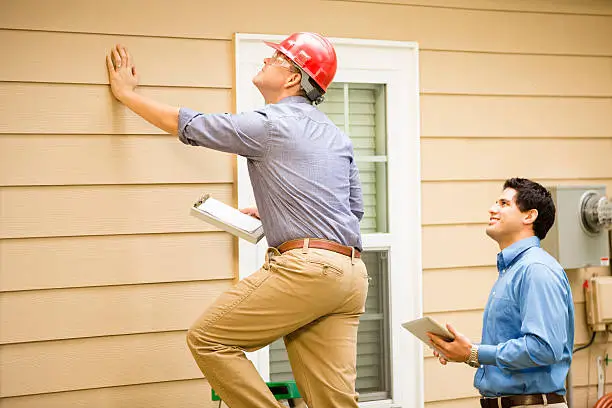
Pre Sale Building Inspection Pahiatua
Purchasing a home is a major investment. Our in depth inspection helps you understand the property's condition before making a decision. We provide a thorough assessment, examining everything for potential issues such as moisture or pests, to give you confidence in your purchase.
Pre-Purchase Building Inspection Pahiatua
Our inspection are designed to protect your investment. Conducted by experienced and qualified inspectors, we identify hidden defects, safety concerns, and maintenance issues. You’ll receive a detailed, easy-to-read report that empowers you to make informed choices.

Your Inspection Completed Within 24-48 hours
Need results fast? Our fast turnaround provides a thorough property review with detailed findings delivered on the same day. Perfect for time-sensitive situations, this service ensures you can move forward with confidence without delays or unnecessary waiting periods.
Our Working Process
Book
Confirm
Inspect
Report
Tararua - Areas of Service
We inspect across Pahiatua and the surrounding Tararua District — Woodville, Mangatainoka, Ballance, Kumeroa, Papatawa, Hopelands, Nikau, Konini, Eketahuna and Dannevirke — as well as Palmerston North, Feilding, Marton and Bulls. See our full locations directory for coverage across the lower North Island.

Builders Report
Purchasing a property is one of life's biggest investments – getting a professional builder's report is essential for making the right decision. Alert Building Inspections is New Zealand's trusted building inspection network, with decades of experience in pre-purchase inspections.

Building Report
Our trade-qualified building inspectors conduct thorough inspections covering structural integrity, weathertightness, and potential maintenance issues. We deliver reports within 24-48 hours, including photographs, detailed findings, and specific recommendations.

House Inspection
When investing in real estate, likely your biggest ever commitment, a house inspection is essential. We deliver comprehensive reports from inspectors with extensive local knowledge throughout New Zealand. Select your location to get started!

Building Inspector
Need a Building Inspector? Our trade-qualified team delivers comprehensive reports within 24-48 hours. We specialise in rapid building inspections without compromising quality across all our New Zealand locations.
Pahiatua Building Types by Era
Pahiatua has been a town since 1881, and it grew in distinct waves — first as a bush sawmilling settlement, then as the service centre for the farmland that replaced the forest. Each wave left a different kind of house behind, and each fails in its own way.
1881-1897 — Clearing the Forty Mile Bush
The first Pahiatua buildings were mill cottages and rough-sawn timber sheds built beside the sawmills as the bush was felled around them. Very little from this period survives, and for a reason: in 1897 a bush fire swept through and destroyed practically the whole town. Any building in Pahiatua that genuinely predates the fire is rare, and worth treating as such.
1897-1920 — Rebuilding After the Fire
The town was rebuilt in timber — villas with sash windows, bay windows and decorative verandahs, standing on piles of native timber. The borough had been constituted in 1892, and Main Street was laid out three chains wide because it was designed to carry the railway down the middle. The line went west of the Mangatainoka instead, and the reserved land became lawns and gardens. That is why the street is so much broader than the traffic needs.
1920-1934 — Bungalows and Brick
The 1920s brought Californian bungalows to the residential streets and brick commercial buildings to the business centre. Then came 5 March 1934. The earthquake named after Pahiatua caused severe damage in that business centre, and buildings of this era carry that history in their chimneys, parapets and roof fixings.
1934-1945 — Repair, Depression and War
The decade after the earthquake was about repair rather than growth, and the Depression and then the war further held back building. What went up was modest and economical, and many 1930s buildings in town were altered, re-roofed, or re-chimneyed in this period rather than replaced.
1945-1970 — Post-War Pahiatua
The post-war decades brought state housing and workers' homes, and the move to concrete slab construction. These houses are generally small, low-pitched and simply detailed, with weatherboard or sheet cladding. Their weaknesses tend to be in the envelope and the roof rather than the subfloor, because there is often no subfloor to inspect.
1970-1990 — Brick Veneer and Aluminium
Houses got larger and lighter: brick veneer over timber framing, aluminium joinery throughout, double garages and bigger footprints. Treated timber treatment levels and detailing changed across this period too, and houses built in its later years are now old enough that maintenance deferred in the 2000s is showing.
1990-2004 — Monolithic Cladding
Many New Zealand homes from this period were clad in monolithic plaster systems, often without the drained and vented cavity that later became mandatory. Where detailing or maintenance has been poor, these houses are most likely to have hidden weathertightness problems, and they need to be assessed with that in mind.
2004 to Today — Commuters and a Growing Town
Pahiatua's population fell for years — down to 2,403 at the 2013 census — then turned around sharply, reaching 2,838 by 2023, an increase of 18.1 per cent. Much of that is commuters drawn by the town's position on State Highway 2 and the run over the Pahiatua Track. The newest houses sit on the town's edges, built to current standards with drained cavities and double glazing.
What 145 Years Means for a Pahiatua Home
Pahiatua has been settled since 1881, and much of its housing predates the Second World War. That history shapes what is worth checking:
- Get a PIM or LIM early. Tararua District Council's records will show flood hazard information, any earthquake-prone notices, and whether the property has been subject to a building consent it should have had.
- Seismic risk and the earthquake-prone register. Tararua District is classified as a High Risk seismic zone under the Building Act, and the 1934 earthquake is a reminder of why. Pre-1935 one- and two-storey buildings are most often affected, and unreinforced masonry and parapets matter most.
- Flooding and drainage. Ask about the Mangatainoka and about the town's stormwater. The August 2024 event flooded about two dozen properties, and the modelled hotspots sit on the western side of town. Check the section as carefully as the house — where water goes when it rains matters more here than in most towns.
- Asbestos. Asbestos-containing materials were widely used in New Zealand building products until the 1980s, and Pahiatua has a great deal of housing from well within that window. Anyone planning to renovate should know what is in the building before work starts.
- Monolithic cladding from the 1990s and early 2000s. Not every house from that era leaks, but the risk is concentrated there, and it isn't always visible from the outside.
If you would rather work through it yourself first, our property inspection checklist covers the same ground from a buyer's point of view.
Frequently Asked Questions
How much does a building inspection cost in Pahiatua?
Our comprehensive building inspection and report start from $299 and can go higher depending on the size, age and condition of the property. A verbal report for a straightforward home sits at the lower end, while larger or older properties with more to check take longer. See typical building inspection costs, or call us for a firm quote based on the property address.
Is Pahiatua at risk of earthquakes?
Yes, and it has been badly shaken before. On 5 March 1934, a magnitude 7.6 earthquake, which takes its name from the town, caused severe damage in Pahiatua's business centre. Later analysis placed the epicentre about 40 kilometres east, but the damage here gave it its name. Tararua District is classified as a High Risk seismic zone under the Building Act, which is why we pay close attention to chimneys, parapets and roof fixings on older buildings.
Does Pahiatua flood?
Parts of the town do. The Mangatainoka River runs beside Pahiatua, and clearing the surrounding bush for farmland made the river faster and deeper than it once was. In August 2024, a one-in-30-year rainfall event flooded about two dozen properties, and the town's stormwater network was designed for a considerably smaller event. Flood modelling shows the more severe hotspots on the western side of town, closest to the river.
What do you check on an older Pahiatua home?
The accessible structure from the piles to the roof — pile and bearer condition, subfloor moisture and ventilation, roof and chimney fixings, cladding and joinery, and the state of the section. On a pre-war villa, we give particular attention to the subfloor, and on anything from the 1930s or earlier, we look closely at how the roof structure is tied down.
How long does a building inspection take in Pahiatua?
Most building inspections take 1-2 hours, depending on the property size and condition. Your written report follows within 24 to 48 hours, and we can arrange a same-day verbal report when a decision is urgent.
Should I worry about asbestos in an older Pahiatua home?
It is worth knowing about rather than worrying about. Asbestos-containing materials were widely used in New Zealand building products until the 1980s, and Pahiatua has a lot of housing from that period. Left undisturbed and in good condition, these materials are often manageable; the risk rises sharply when they are cut, sanded or demolished, so anyone planning renovations should establish what is present first.
Building inspections near me?
Looking for building inspection services in Pahiatua? Alert Building Inspections provides detailed builders reports and pre-purchase inspections across the Tararua District and the lower North Island, with trade-qualified inspectors and reports delivered within 24 to 48 hours.
