
Alert Building Inspections provides professional building inspections across Papanui and Christchurch for home buyers, sellers, and property investors. Our trade-qualified building inspectors thoroughly assess the property, explain what they find, and provide practical advice through a comprehensive written or verbal builders report. With fast bookings and reports available within 24-48 hours, getting the information you need is simple.
Papanui has the widest spread of building ages of any Christchurch suburb. On one street you can have an 1880s villa from the old sawyers' village, a 1920s bungalow, a 1955 state house, a 1975 brick-and-tile family home and a townhouse built last year. That range is the suburb's defining feature, and it is also why a Papanui inspection cannot follow a template: the failure modes in a 140-year-old timber villa and a five-year-old townhouse have almost nothing in common.
Underneath it all, Papanui sits predominantly on Technical Category 2 (TC2) ground, with pockets of TC3 land in the north of the suburb. The area-wide geotechnical work carried out after the 2010 and 2011 earthquakes found the ground through Casebrook and Northcote had little or no observed cracking or ejected liquefaction, and residential damage across Papanui was localised rather than widespread. So the inspection weight here falls less on earthquake repair and more on the buildings themselves — original roofing now well past its service life, 1950s and 1960s construction with no insulation in the walls or floor, original wiring and plumbing, and subfloor moisture on the ground that sits close to the Papanui Stream and to Dudley Creek where it crosses the suburb.
Fast Turnaround 24-48 hours
A builders report from Alert tells you what a viewing can't. Our trade-qualified inspectors are practising builders, and they assess structural integrity, weathertightness and maintenance requirements across every accessible area of the property, in accordance with NZS 4306:2005.
Every report is written in plain English, with findings categorised by severity, photographs of each issue, and specific recommendations — not a checklist of ticks and crosses. All major banks and lending institutions accept our reports.
We inspect across Papanui and the surrounding north Christchurch suburbs — Casebrook, Northcote, Bishopdale, Bryndwr, St Albans, Merivale, Redwood and Harewood — as well as the wider Christchurch area from Rangiora and Kaiapoi in the north through to Rolleston and Prebbleton in the south.
Call 0800 4 ALERT or book online for a firm quote based on your property address.
+
+
"House inspection" and "building inspection" mean the same thing. If you are buying a home in Papanui, this is the report you need — a trade-qualified inspector on site, assessing the property in person. On the day, the inspector works through the property in a set order: the exterior and roof first, then the roof space, then the interior, and finally the subfloor, where accessible. That order is deliberate.
In Papanui that order matters more than it does in most suburbs, because what you are buying could be almost any age. A 1960s brick-and-tile home on a concrete slab has no subfloor to inspect, but it does have an original roof at the end of its life, no wall or underfloor insulation, and possibly original wiring. A villa two streets away has native timber piles, a suspended floor, lead-based paint and no damp course. The inspector needs to know which of those they are standing in front of before they start.
That is also why a Papanui inspection is different from one in the eastern suburbs. Papanui's north-west ground largely escaped the liquefaction that damaged the flat eastern side of the city, so foundation assessment here is usually about age, drainage and maintenance rather than earthquake repair. The heavier findings are above and below: roofing, cladding and joinery on the older homes, and moisture in the subfloor where the ground stays wet near the streams.
24-48 Hour Report Delivery Guaranteed
Looking for a Building Inspector in Papanui? Our trade-qualified inspectors provide thorough building reports with meticulous attention to detail.
Our Papanui building inspection service is perfect for time-sensitive property purchases. Each inspector carries professional indemnity insurance and brings deep knowledge of Papanui's local market and common building challenges — concrete tile roofs on 1950s and 1960s homes now 50 to 70 years old with degraded bedding and pointing on the ridge and hip caps, original wiring and galvanised plumbing, no insulation in the walls or under the floor, and the older villa and bungalow stock closer to the Papanui Junction with its own issues in piles, subfloor ventilation and lead-based paint.
Because Papanui sits predominantly on TC2 ground, foundation issues are less common here than in the eastern suburbs, but the suburb does contain pockets of TC3 land in the north and we treat those properties accordingly — assessing cracking patterns, floor levels and the standard of any earlier repair, and checking against the site's own technical category. All inspections comply with NZS 4306:2005 standards for comprehensive, reliable assessments.
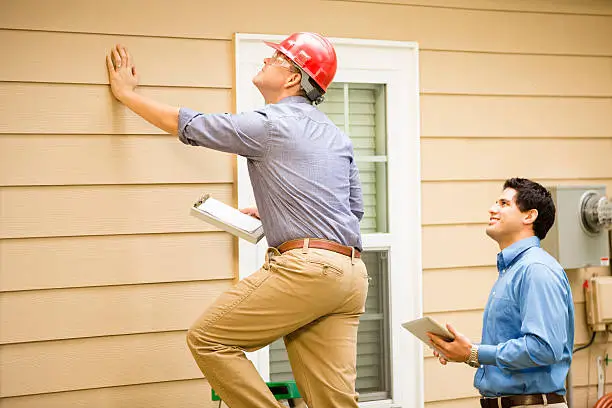
Purchasing a home is a major investment. Our in depth inspection helps you understand the property's condition before making a decision. We provide a thorough assessment, examining everything for potential issues such as moisture or pests, to give you confidence in your purchase.
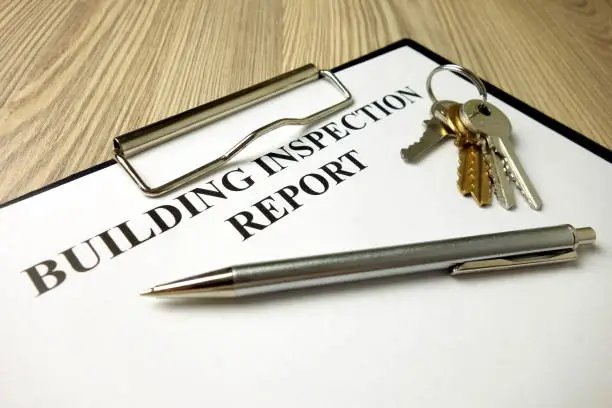
Our inspection are designed to protect your investment. Conducted by experienced and qualified inspectors, we identify hidden defects, safety concerns, and maintenance issues. You’ll receive a detailed, easy-to-read report that empowers you to make informed choices.
Need results fast? Our fast turnaround provides a thorough property review with detailed findings delivered on the same day. Perfect for time-sensitive situations, this service ensures you can move forward with confidence without delays or unnecessary waiting periods.
Addington, Akaroa, Amberley, Aranui, Avonhead, Avonside, Belfast, Bishopdale, Burnham, Burnside, Burwood, Casebrook, Cashmere, Cheviot, Christchurch CBD, Culverden, Cust, Darfield, Diamond Harbour, Dunsandel, Edgeware, Ellesmere, Fendalton, Fernside, Ferrymead, Halswell, Hanmer Springs, Harewood, Hoon Hay, Hornby, Ilam, Kaiapoi, Kirwee, Leeston, Leithfield, Lincoln, Linwood, Little River, Lyttleton, Mairehau, Malvern, Merivale, New Brighton, Northwood, Oxford, Papanui, Pegasus, Phillipstown, Prebbleton, Rangiora, Redwood, Riccarton, Rolleston, Southbridge, Spreydon, Springs, St Albans, Sumner, Swannanoa, Sydenham, Tai Tapu, Waiau, Waikuku, Waipara, Waltham, West Eyreton, West Melton, Wigram, Woolston.
Papanui has been built on continuously for more than 170 years, longer than any other Christchurch suburb, and it has never had a single dominant construction era. It began as Christchurch's first country settlement, became a working village on the railway and tram lines, then absorbed the post-war housing boom in one long wave. The result is that a single Papanui street can carry an 1880s villa, a 1920s bungalow, a 1950s state house and a townhouse finished last year. Knowing which era your property belongs to tells you a great deal about what an inspector will be looking at.
Papanui began as a timber town. When the first Canterbury settlers came over the Bridle Path from Lyttelton in 1850 and 1851, Papanui Bush was one of the few remaining stands of tōtara, kahikatea and pine on the plains, and sawyers moved in almost immediately to mill it for the new city's buildings and firewood. A village grew along the old Māori track north to Kaiapoi — the road that became Main North Road — and by 1853 it had a hotel, a store, a blacksmith, a clothing shop and a chemist. Papanui Road was one of the first roads built outside the city boundary, and in March 1852 a bridge was put across the Avon so bullock wagons could haul timber directly into Market Square.
The bush was gone by 1857 — around 30 hectares of it — and its site is now Papanui Domain on Sawyers Arms Road. Almost nothing of that first generation of buildings survives, but it set the suburb's character: Papanui was Christchurch's first country community, and in 1857 its population of 692 was more than two-thirds the size of Christchurch itself.
Once the trees were down the land became market gardens, orchards and dairy farms, and the village settled into being a service town for the surrounding farms. The Main North Line railway opened through Papanui on 27 April 1872, and a tram line was laid along Papanui Road in 1880, running through to the railway station.
Rail and tram together are what created the first genuinely residential Papanui. Villas went up within walking distance of the line and the terminus — weatherboard over a timber frame, standing on native timber piles with a suspended floor and no damp course, with brick chimneys and often the original scrim and lath-and-plaster lining still sitting behind later gib. St Paul's Anglican Church, whose parish was established in 1853, was rebuilt in kauri in 1877 to a design by Benjamin Mountfort and still stands on Harewood Road. If you are buying one of these villas today, the inspection is about piles and subfloor ventilation, chimney condition, and whatever has been added over the following century.
Papanui was its own district until 1923, when it amalgamated with the City of Christchurch. In the same period electric trams reached the Papanui line, in 1905, which made the suburb properly commutable and opened up the streets either side of Papanui Road and Main North Road.
The houses of these decades are the California bungalows and English cottages — lower and wider than the villas, with a more efficient plan, brick or weatherboard cladding, and often a brick veneer over a timber frame. Timber floors on piles gave way in places to early concrete perimeter foundations. This is also the era that gave Papanui its churches and schools: the Methodist church on the corner of Harewood Road and Chapel Street in 1913, St Joseph's Catholic on Main North Road in 1922, and St Bede's College, which moved to its Main North Road site in 1920.
Papanui High School opened in 1936 as Papanui Technical College, and the suburb's schools — Papanui Primary from 1871, St Joseph's from 1878, Christchurch Adventist from 1925 and Paparoa Street from 1953 — anchored the streets around them and pulled families in.
The state housing built through these decades is architecturally modest but constructionally consistent: single-storey, on a concrete slab-on-ground or a low subfloor, in weatherboard or brick veneer, with a low-pitch roof and a simple rectangular plan. There are still 76 Housing New Zealand properties in the Papanui area. What defines this housing for a buyer today is what it was never built with — insulation in the walls or under the floor, a damp course, or modern wiring. If it has not been retrofitted since, it will show.
This is the era that built most of Papanui as you see it now. The post-war boom, industry arriving on the suburb's doorstep — the Sanitarium factory on Harewood Road, the Firestone tyre plant on Langdons Road from 1945, the Verkerks factory on Vagues Road from 1961 — and the opening of Northlands Shopping Centre in 1967 all pulled population in, and the remaining paddocks were subdivided for brick-and-tile family homes.
Those homes are the backbone of the Papanui market. Typically concrete slab-on-ground with no subfloor void, single-storey, clad in brick veneer or weatherboard, with a low-pitch concrete tile or corrugated steel roof, aluminium joinery installed or retrofitted through the 1970s and 1980s, and a ceiling with either no insulation or a thin early layer of it. Fifty to seventy years on, the findings are predictable: the original tile roof is at or past the end of its service life and the bedding and pointing on the ridge and hip caps has degraded, the aluminium joinery seals have hardened, and any original galvanised plumbing has usually been replaced once already. Asbestos-containing materials are common in homes of this vintage — textured ceilings, vinyl flooring, and lagging on pipes and ducting.
Papanui has been intensifying continuously since the 1970s. The first townhouse and unit developments went in on subdivided rear sections through the 1970s and 1980s, the pace accelerated through the 1990s and 2000s with cross-lease and unit-title complexes, and it accelerated again after the earthquakes as the city rebuilt its residential capacity inward.
That layering changes what you are actually buying. A cross-lease townhouse is not just a house — it is a share in a title with shared driveways, shared drainage and often a shared wall, and the condition of the parts you do not own affects the parts you do. Toward the Papanui Junction and the Langdons Road commercial area you also get stock from the 1990s and 2000s plaster and monolithic cladding era, which needs a careful look at how the cladding is fixed and drained. And the newest builds on infill sites raise a different question again — whether the work was consented, inspected and finished to the standard the plans called for.
A well-maintained Papanui home is a genuinely good property. The construction methods were sound for their time, the suburb is five minutes from the city and on the airport road, the schools and shops are established, and the housing has held its value through every cycle the city has seen. But the risk list in Papanui is shaped by two things at once — the age of the house, which varies more here than anywhere else in Christchurch, and the classification of the ground. Here is what we look at most closely.
The ground. Papanui sits predominantly on Technical Category 2 land — the classification that means minor to moderate liquefaction-related land damage is possible in a future significant earthquake, and which generally allows standard timber-piled or enhanced concrete foundations. The area-wide geotechnical work done after the 2010 and 2011 earthquakes found the ground through Casebrook and Northcote had little or no observed cracking or ejected liquefaction, and residential damage in Papanui was localised rather than widespread. That is a real and meaningful difference from the eastern side of the city. It is not a blanket guarantee, though: pockets of TC3 land exist in the north of the suburb, around Claridges Road, Grampian Street, Cavendish Road, Sturrocks Road, Royleen Street and Tuckers Road. TC3 is a different proposition — moderate to significant damage possible, and any new or rebuilt foundation requiring site-specific geotechnical investigation and engineered design. Check the technical category of the specific property rather than the suburb, and on a TC3 section it is worth reading the site's geotechnical record before you buy, because it will shape what you can build, extend or rebuild later.
The age of the house. This is the question that makes Papanui unusual. Because the suburb was Christchurch's first settlement and has never stopped building, the age of the housing on one street can span more than a century. The inspection has to match the building rather than the suburb. A villa is about piles, subfloor ventilation, native timber and lead-based paint. A 1960s home is about a concrete slab, an original roof at the end of its life, and no insulation anywhere. A 2000s townhouse is about cladding, shared structures and consent records. A report that treats all three the same way is not telling you anything useful.
Foundations and the subfloor. On Papanui's villas and bungalows, the floors are mostly suspended timber over piles, and at that age the subfloor is where the expensive findings live — pile heads and bearers sitting in damp ground, blocked or missing vents, untreated timber that has lost its section, and additions built onto the original house on foundations never designed to carry them. Where original piles have been replaced with concrete, it is worth establishing when and how well. On the slab-on-ground homes that make up most of the 1950s to 1970s stock there is no subfloor to inspect, so the same question takes a different form: cracking patterns, floors out of level, and any evidence of ground movement — all of which are easy to miss under fresh carpet or a cosmetic patch.
Roofing. Concrete tile roofs are the dominant roof in Papanui and most of them are now 50 to 70 years old. The tiles themselves are durable, but the bedding and pointing that hold down the ridge and hip caps lasts only 25 to 35 years, and once it has degraded the caps can lift in a nor'wester. It is a repair most buyers do not think to look for. On the villa and bungalow stock the roof may have been recoated or replaced more than once, so check the fixings rather than assuming the roof is as old as the house. Where a full replacement is needed, costs commonly run from $15,000 to $30,000 depending on the roof's size and complexity.
Joinery, insulation, plumbing and wiring. Aluminium joinery from the 1970s and early 1980s predates thermal breaks, so it condenses heavily in winter, and the seals and friction stays on many units are now failing — while the villas and bungalows that still carry their original timber joinery are a long-term maintenance commitment rather than a one-off cost. Almost everything built before the 1980s went up before insulation was required, so a 1950s or 1960s Papanui home may have no wall or underfloor insulation at all and only a thin early layer in the ceiling. Original pipework is reaching the age where pin-hole failures and weeping joints become a recurring cost, galvanised supply pipes may still be present in the oldest houses, and older switchboards with limited RCD protection are common. Decades of additions also mean decades of undocumented electrical work. An inspector will report what is visible; anything further warrants a licensed electrician.
Asbestos and older materials. Asbestos-containing materials were widely used in New Zealand building products until the 1980s, which puts a very large share of Papanui's housing stock in scope — and because so much of the suburb was built in the 1950s, 1960s and 1970s, that exposure is broader here than in most suburbs. The common locations are textured ceilings, vinyl floor tiles, soffits and eaves linings, and lagging on pipes, ducting and hot water cylinders. If it is intact and undisturbed it is generally considered low risk, but it has to be managed during any renovation. Our inspection will report materials that may contain asbestos; confirmation requires specialist testing, which we can recommend.
Water and drainage. Papanui is drained by the Papanui Stream and by Dudley Creek, which crosses the suburb from Bishopdale under Greers Road and flows east under Papanui Road, and groundwater sits shallow close to those corridors. The suburb's annual rainfall of around 648mm falls mostly through the winter months, with July the wettest. For a house on a suspended timber floor that means subfloor moisture, poor ventilation and the slow decay that never announces itself. For a slab-on-ground home it means that drainage and ground levels around the perimeter matter — a path, a deck or a garden bed built up above the damp course is exactly the sort of small thing that becomes a large one. Blocked or inadequate stormwater, a downpipe discharging too close to the foundations, and surface water running toward the house rather than away from it are all common findings, and they usually show up as damp long before they show up as a leak.
Intensification and shared ownership. A large share of what now sells in Papanui is not a standalone house — it is a townhouse in a cross-lease or unit-title development, on a rear section, sharing a driveway, often sharing drainage and sometimes sharing a wall. The inspection covers your unit, but the things most likely to cost you money are the shared ones: the driveway, the retaining, the roof that spans two titles, the drainage nobody has cleaned since it was laid. On a cross-lease or unit title the boundaries between what you own and what you share are what the liability turns on, so those elements belong in the report rather than being treated as someone else's problem. It is worth knowing what is shared, who is responsible for it, and what condition it is in before you commit.
Our comprehensive building inspection and the report start from $299, and can go higher depending on the size and nature of the property. The key factor in determining price of your building inspection is your address, so you'll know upfront the cost you're looking at.
We check the accessible structure from the foundation to the roof — the subfloor and its piles and bearers, the roof covering and the condition of the fixings, the cladding and its junctions, the joinery, the ceiling and underfloor insulation levels, visible plumbing and electrical components, and moisture levels throughout the house. Papanui has an unusually wide range of building ages, so what we pay particular attention to depends on what the house is. On a villa or bungalow it is the subfloor and the condition of the original timber. On a 1950s or 1960s home it is the roof, the lack of insulation and the age of the services. On both, it is any addition or alteration done since — and whether it was done to a reasonable standard.
Broadly, yes. Papanui is predominantly classified TC2, meaning minor to moderate land damage from liquefaction is possible in a future large earthquake, and standard timber-piled or enhanced concrete foundations are generally suitable. The area-wide geotechnical work after the 2010 and 2011 earthquakes found little or no observed ground cracking or ejected liquefaction through the Casebrook and Northcote ground, and residential damage in Papanui was localised rather than widespread. There are exceptions: pockets of TC3 land exist in the north of the suburb, around Claridges Road, Grampian Street, Cavendish Road, Sturrocks Road, Royleen Street and Tuckers Road, where moderate to significant damage is possible and specific engineering design is required. That is not a verdict on any individual house — many of those properties came through the earthquakes with no foundation damage at all. Cracking patterns, floor levels and the standard of any earlier repair are assessed on every inspection.
Most building inspections take 1-2 hours, depending on the property size and condition.
Yes. Our inspections include moisture testing throughout the house, and we test around windows, doors, bathrooms and the exterior cladding junctions — the areas most likely to let water in. The Papanui Stream and Dudley Creek both run through the suburb and the ground close to them carries the water table nearer the surface, so we pay particular attention to stormwater, surface water drainage and the condition of the subfloor.
Asbestos-containing materials were widely used in New Zealand building products until the 1980s, and because so much of Papanui was built between the 1950s and the 1970s, a large share of the suburb's housing is in scope. The more common locations are textured ceilings, vinyl floor tiles, soffits and eaves linings, and lagging on pipes, ducting and hot water cylinders. If it is intact and undisturbed it is generally considered low risk, but it will need to be managed during any renovation. Our inspection will report any materials that may contain asbestos; confirmation requires specialist testing, which we can recommend.
Often, yes — the tiles themselves are durable and many have decades of life left. The part that usually fails first is the bedding and pointing holding the ridge and hip caps, which typically lasts 25 to 35 years. Where that has degraded, the caps can lift in high wind, and the affected sections need re-bedding or repointing. Where the tiles themselves have eroded or cracked, a full replacement is usually the sensible option, commonly in the $15,000 to $30,000 range. Papanui has more of this roofing than most suburbs in the city, so it is one of the most frequent findings on our reports here.
Yes. New builds can have incomplete work, missed flashings, poorly connected drainage, and finishing defects — and Papanui has a great deal of new multi-unit development on subdivided rear sections. Where a new townhouse or unit is going up behind an older house, it is also worth checking that the new drainage and overland flow paths were designed for the added density and that the excavation has not affected the neighbouring foundations. An independent inspection gives you verification that the property was built to the standard it should have been.
Absolutely! We encourage clients to attend their building inspection to gain firsthand insights and ask questions directly to our inspector in Papanui.
Yes. Papanui has had townhouse and unit development since the 1970s and the pace has increased sharply since the earthquakes. On a multi-unit property the inspection covers the individual unit plus the building elements it shares with its neighbours — inter-tenancy acoustic and fire separation, the common drainage system, the roof and external walls where they are shared, and the quality of the common-area construction. On a cross-lease or unit title those shared elements are where the liability sits, so they are a core part of the report rather than an optional extra.
Yes, our building inspectors are fully qualified and experienced in Papanui's building standards, ensuring accurate and reliable reports. Every inspector carries professional indemnity insurance, and our inspections comply with NZS 4306:2005.
Typical issues while conducting a building inspection in Papanui include: concrete tile roofs with degraded bedding and pointing on the ridge and hip caps; cracked brickwork and slabs, and floors out of level; damp or decayed pile heads and bearers under the older villas and bungalows; asbestos-containing materials in ceilings, vinyl and pipe lagging; minimal or absent insulation in walls and under floors; original wiring and older switchboards; aged galvanised plumbing; subfloor moisture and poor drainage on the ground near the streams; unconsented additions and garage conversions; and on multi-unit properties, defects in the shared drainage, roof and inter-tenancy separations.
Looking for building inspection services in Papanui? Alert Building Inspections provides detailed building reports within 24-48 hours, conducted by trade-qualified inspectors who understand Papanui's property market and common building issues. We follow the New Zealand Standard for Property Inspections (NZS 4306:2005) and serve Papanui and the surrounding Christchurch suburbs, including Casebrook, Northcote, Bishopdale, Bryndwr, St Albans, Merivale, Redwood and Harewood.

Copyright © 2016- Alert Building Inspections